
Tipping for Spa and Wellness Staff
 Maya Patel
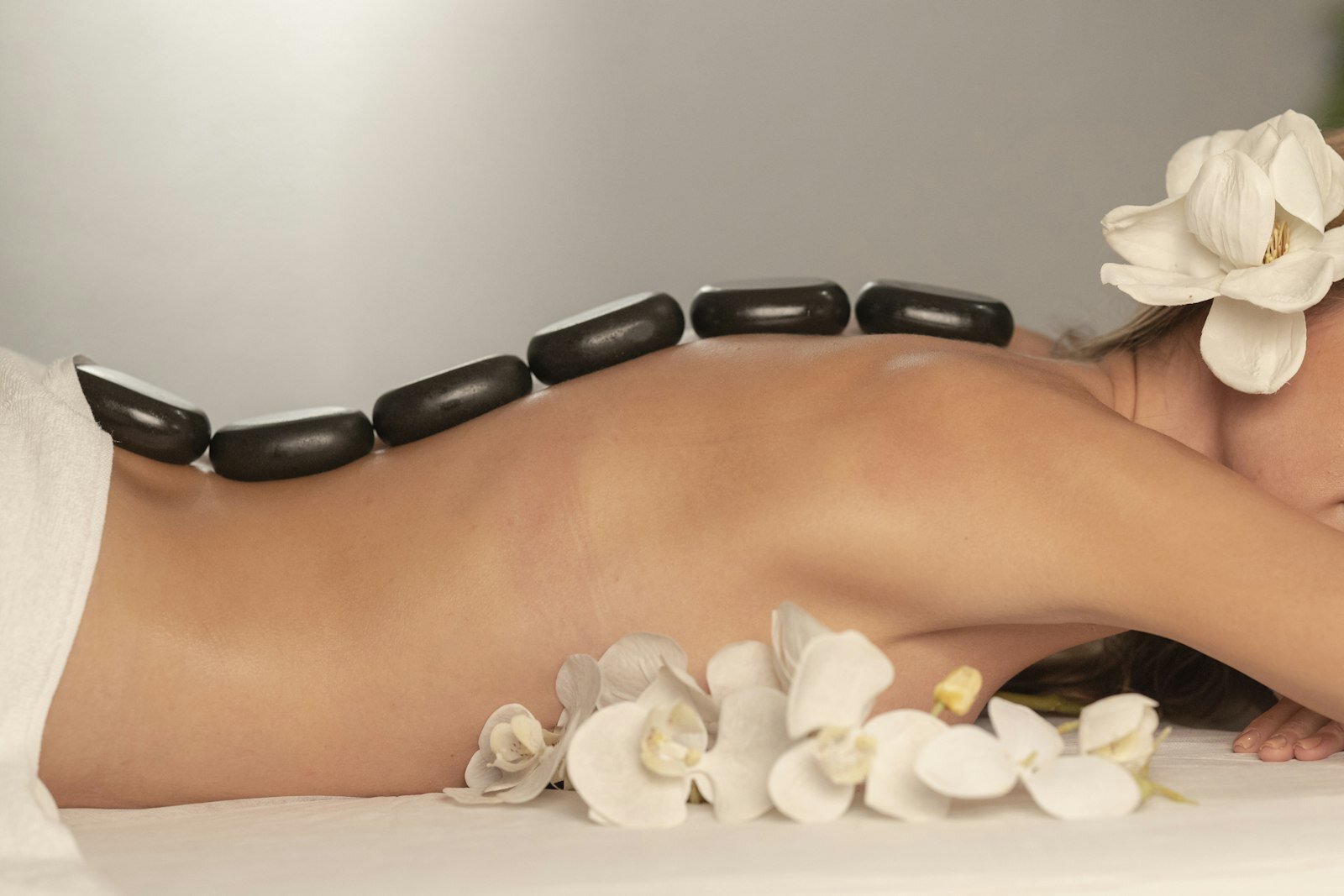
A good spa treatment does something that most service encounters do not: it requires its recipient to be completely passive, trusting, and vulnerable. You are on a table, in relative darkness, with someone whose hands you have placed absolute confidence in for the duration of the treatment. The emotional residue of a skilled massage or facial is warm and deeply positive. The problem is that this emotional state collides poorly with the transactional anxiety of tipping — the cash fumble, the arithmetic, the social awkwardness of pressing notes into someone's hand while you are still in a post-treatment haze.
Spa and wellness workers — massage therapists, estheticians, reflexologists, body treatment specialists — occupy an unusual position in the tipping economy. Their clients frequently leave treatments intending to tip and then fail to do so because the practical mechanism is not there, or is not visible, or is there but feels clumsy to navigate in the serene environment the venue has carefully constructed. Digital tipping, implemented thoughtfully, resolves this without disrupting the atmosphere that makes the experience valuable in the first place.
The Atmosphere Problem — and How to Solve It
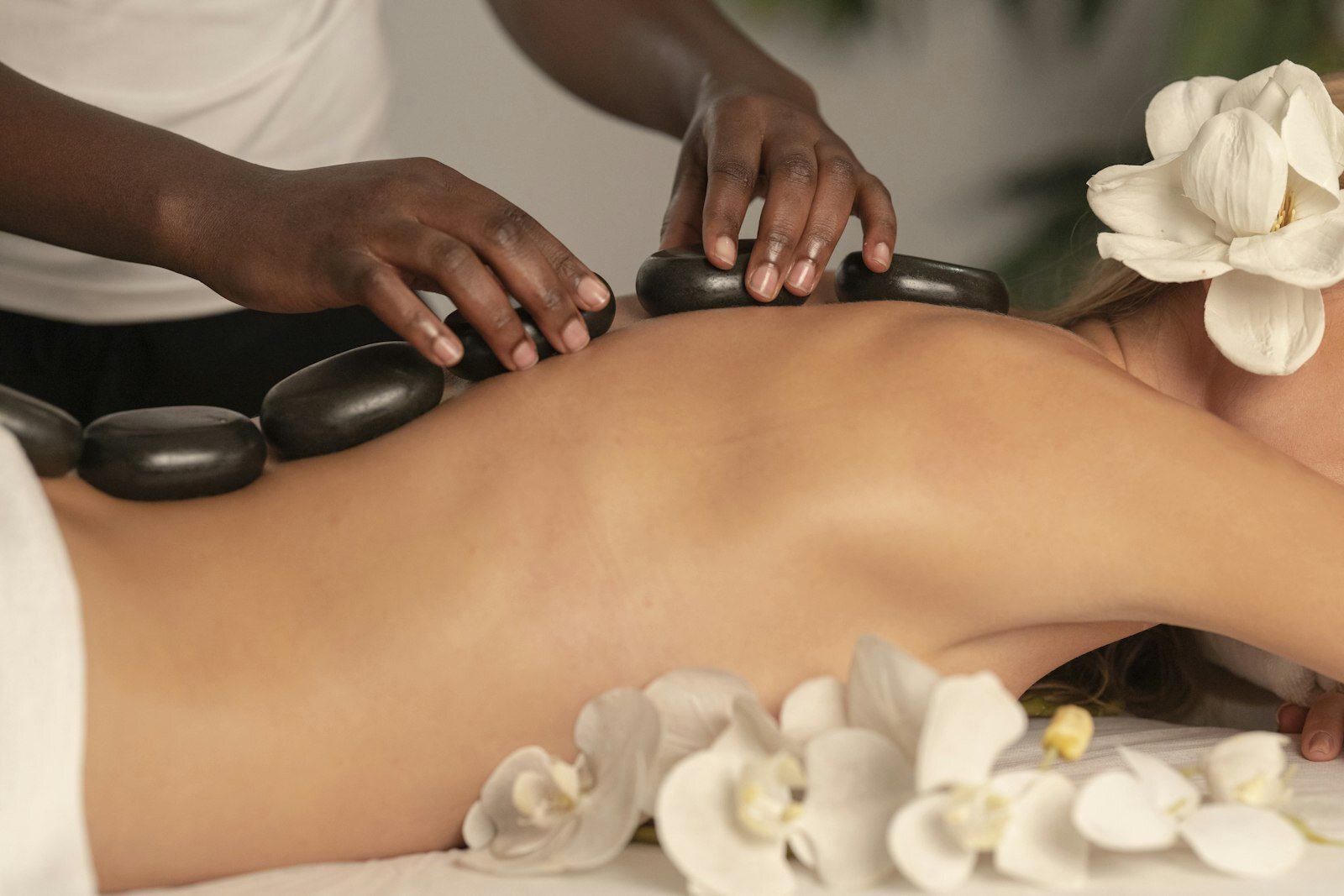
Spa culture is deliberately anti-commercial. Décor is minimal, sounds are curated, and the visual language signals retreat from the ordinary transactional world. Presenting a client with a payment terminal at the end of a treatment and prompting them for a tip amount breaks this spell. It re-inserts commercial anxiety into a space specifically designed to exclude it. Many spa operators have recognised this and remove the tip prompt from the checkout flow entirely — which solves the atmosphere problem but eliminates the tipping mechanism altogether.
Digital tipping by QR code can occupy a different register entirely. A small, elegant card left in the changing room or on the post-treatment relaxation tray — "If you'd like to tip your therapist, you can do so here" — is unobtrusive, unhurried, and does not interrupt any service interaction. The client can act on it when they are ready: while they sip their herbal tea in the relaxation lounge, before they leave the changing room, or even later at home if the impulse returns as the treatment's benefits settle in.
Individual vs Collective Tipping in Multi-Staff Spas

Larger spa facilities — hotel spas, urban day spas with multiple treatment rooms — face the question of whether to facilitate individual or collective tipping. Individual tipping is personally directed and maximally clear about who the client is thanking. Collective tipping pools gratuities across a team and distributes on a formula, reducing inequality between popular and less popular therapists but losing the personal dimension.
The right answer depends on the facility's culture and the nature of the client relationship. A spa where clients typically book with a specific therapist — building a relationship over multiple visits — benefits from individual tip pages that reinforce that personal bond. A spa where clients are allocated to available therapists without personal preference may be better served by a crew arrangement that treats the entire team as the unit of recognition.
Hybrid approaches are also possible. A crew tip page as the default, with individual links available for clients who want to direct their gratitude specifically, captures both cases. Tippidy supports exactly this structure, allowing a venue to deploy both a team page and individual pages without requiring clients to navigate complex choices they did not expect to make.
Handling Tips in Wellbeing and Holistic Therapy Settings
Beyond hotel and day spas, there is a growing sector of wellness practitioners operating independently: mobile massage therapists, private yoga teachers, sound bath facilitators, reiki practitioners, and the like. These practitioners often work from clients' homes or from rented treatment rooms, without the infrastructure of a venue to handle payments or manage tips. For them, a personal digital tip page is simply the most practical and professional tool available.
For mobile practitioners who travel to clients, the end of the treatment often happens in the client's home — not an environment where cash is reliably available. A WhatsApp message before the session ("Here's my payment link and tip page") or a physical card left with the client normalises the digital approach and gives clients who want to tip the means to do so after the practitioner has left. This is significantly better than the current experience, where clients who intended to tip often find the practical moment has passed.
Tax and Income Transparency for Wellness Practitioners
Many independent wellness practitioners are sole traders or operate through small limited companies. Tips received in cash are theoretically taxable but practically difficult to track and declare accurately. Digital tips create an automatic record that simplifies both bookkeeping and tax compliance. For a practitioner earning meaningful tip income across a client base of regulars, having a clean digital record supports accurate Self Assessment declarations and removes the anxiety of reconstructing cash income at tax return time.
There is also an emerging practical benefit for practitioners seeking to grow their business: documented income — including tips — provides evidence of sustainable earnings when applying for business loans, negotiating favourable rates with suppliers, or demonstrating viability to a professional landlord for a treatment room lease. Cash income that never appears in records is useless for these purposes; digital tip records are directly usable.
The Spa Industry's Tipping Cultural Shift
UK spa culture has historically been more restrained about tipping than American spa culture, where twenty percent is a standard expectation. This is partly a general UK characteristic around gratuitous display of money, and partly specific to the spa context where the commercial register feels out of place. The shift is gradual, but clients returning from international travel — where tipping wellness staff is normalised — and the broader spread of tipping culture across professional services in the UK are nudging norms in a more tipping-friendly direction.
For practitioners and venues, the appropriate response is not to force the shift but to make it easy for clients who are already inclined to act on that inclination. A QR code that is visible but not insistent, placed at a natural moment of gratitude, converts willing clients without pressuring the unwilling. The spa environment's fundamental values — calm, care, unhurried attention — apply equally well to the tipping mechanism. Gentle availability rather than aggressive prompting is both ethically appropriate and, in this context, commercially effective.
Tento článok je súčasťou nášho kompletný sprievodca digitálnym prepitným — zistite, ako prijímať prepitné kartou, Apple Pay alebo Google Pay.
Komentáre (0)
Prihlásiť sa pre pridanie komentára.
Súvisiace príspevky


Začnite prijímať digitálne prepitné ešte dnes
Vytvorte si bezplatnú stránku prepitného Tippidy, pridajte ju do Apple Wallet a Google Wallet a nechajte hostí dávať vám prepitné za sekundy cez Apple Pay, Google Pay alebo kartou — bez aplikácie, okamžité výplaty.
Funguje s Apple Wallet a Google Wallet · Žiadne mesačné poplatky