
Tipping for Hairdressers and Salon Staff
 Maya Patel
Walk into almost any hairdressing salon or beauty parlour in the UK and you will find a team working closely with clients for extended periods — cutting, colouring, styling, treating, advising. The nature of the work is personal. A good hairdresser does not just execute a technical task; they manage expectations, navigate delicate conversations about what is actually achievable with someone's hair, and often become a trusted regular relationship over years. Tips in this context are not just a financial transaction. They are a specific form of feedback that says: I valued that interaction beyond what I paid on the bill.
Yet the mechanics of tipping in salons have become genuinely awkward for many clients. The shift to card payments has created a mismatch: clients who want to tip rarely carry cash, and many salon point-of-sale systems either don't offer a tip function at checkout or route it through the business rather than directly to the stylist. This article examines the landscape honestly and suggests how salon owners and their teams can make tipping work better in a cashless world.
Why Salon Tipping Has Always Been Complicated
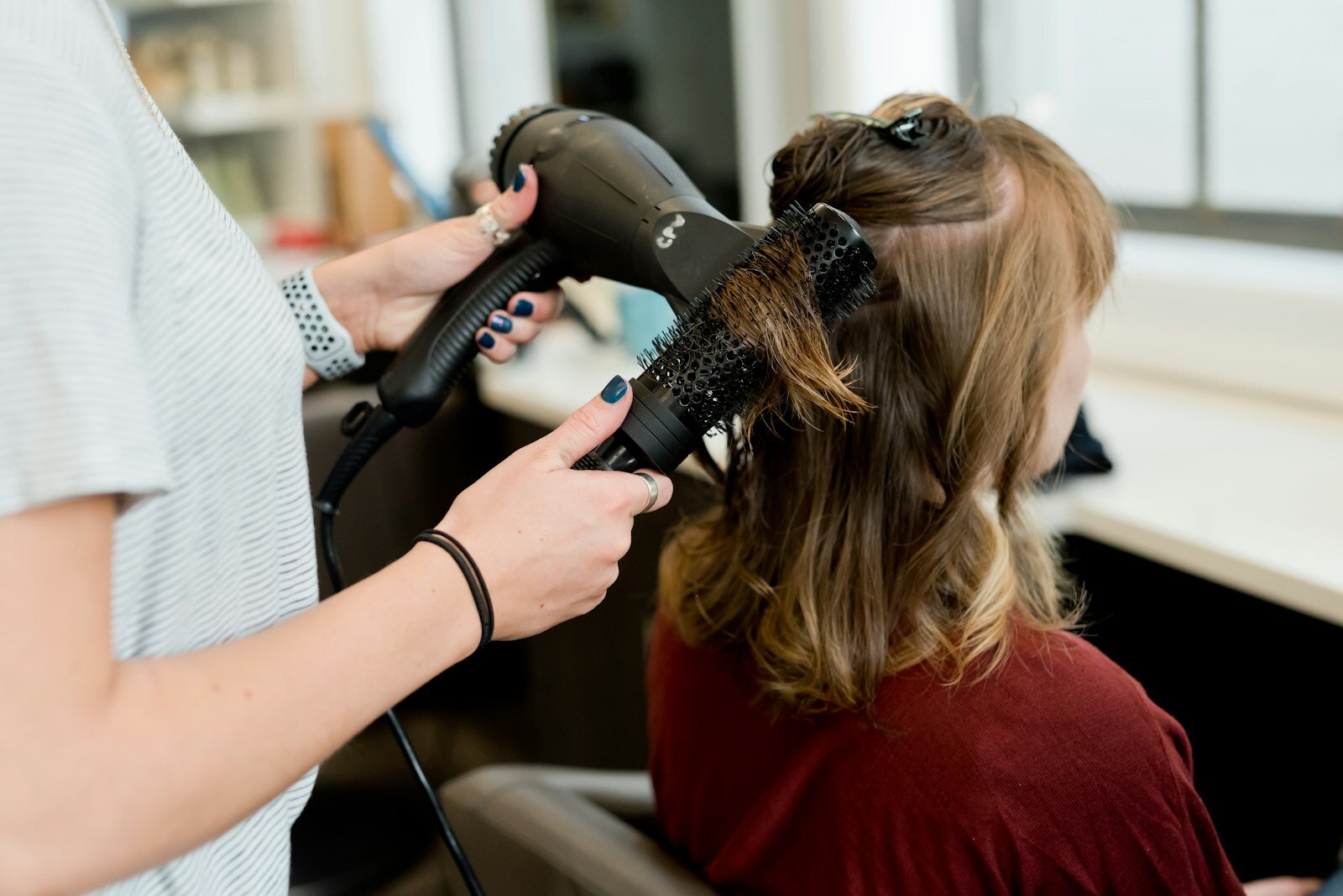
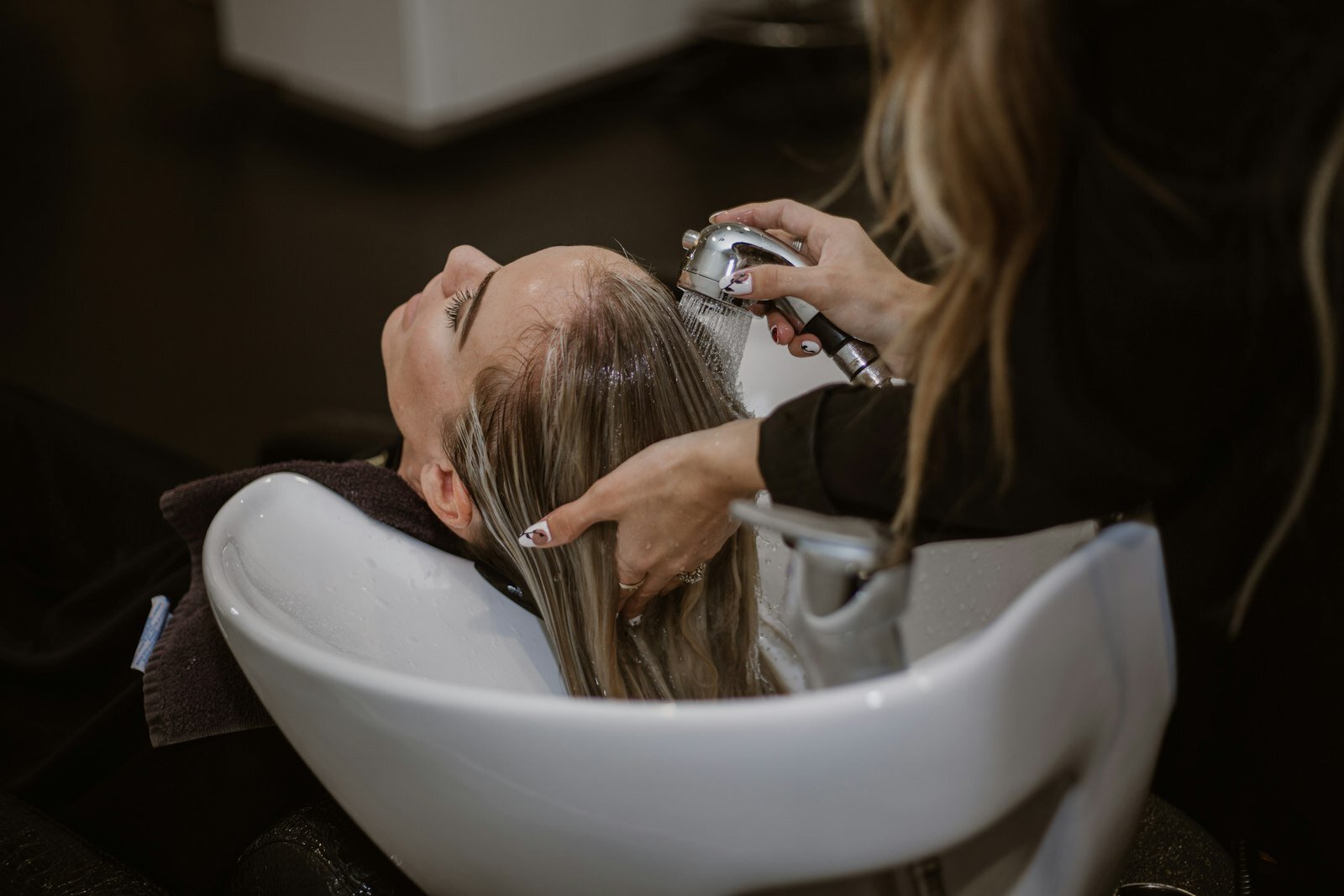
Unlike restaurant tipping, where a single transaction at the end of a meal can include a service component fairly naturally, salon visits involve different staff at different stages. The person who washed and conditioned your hair is not the same as the colourist who managed your balayage, who may differ again from the stylist who finished the cut. Clients who want to express appreciation face a real question: who do I tip, how much, and how?
Historically, cash resolved this by allowing clients to hand individual notes to specific people. But that solution is increasingly impractical. According to UK Finance data, the proportion of payments made in cash has fallen substantially over the past decade, and younger clients in particular rarely carry notes. A client who ends an excellent appointment genuinely wanting to add a gratuity but having no cash faces either an awkward conversation at the desk about whether the card machine takes tips, or simply leaving without tipping — feeling vaguely guilty about it.
This is a genuine loss for salon staff, whose income often depends meaningfully on gratuities to supplement what are frequently modest hourly wages or chair rental arrangements.
The Case for Individual QR Codes Per Stylist
One approach that works particularly well in the salon environment is giving each staff member their own tip page — a personal URL or QR code that clients can scan to tip them directly. This preserves the specificity that cash tipping once enabled. A client who had an exceptional experience with a particular colourist can tip that person directly, without the salon owner needing to intervene or allocate anything.
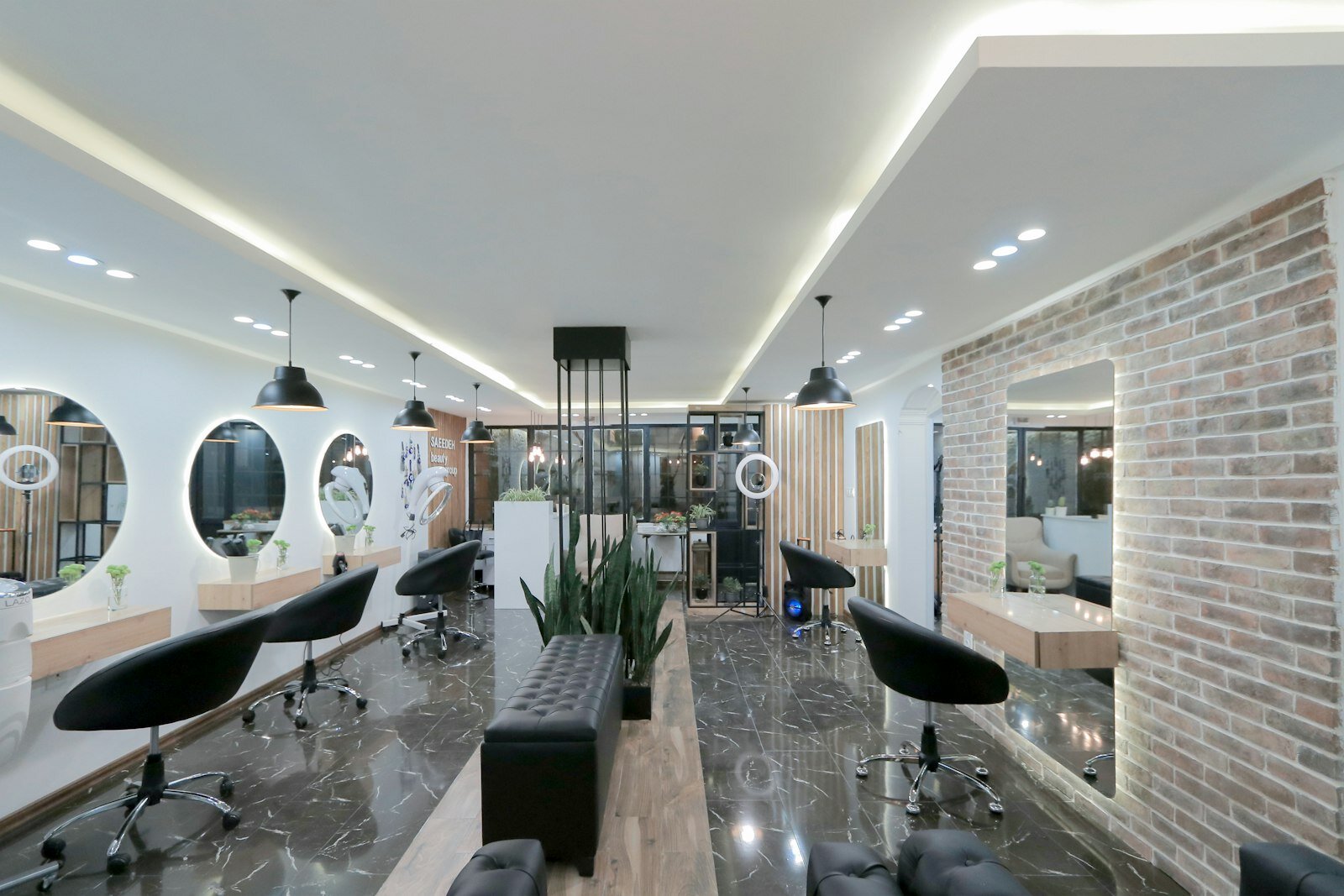
Practically, individual QR codes can be printed on small cards at each stylist's station, added to their mirror, or included on appointment reminder messages sent via SMS or email. The client can tip at any point — during the visit, immediately after, or later that evening once they've checked into a good light and appreciated the colour. There is no pressure at the point of payment, which itself improves the experience for clients who find that kind of prompt uncomfortable.
For the stylist, a personal tip page through a platform like Tippidy means the money arrives in their account directly, without touching the business's accounts at all. This matters for clarity under the Employment (Allocation of Tips) Act 2023, which requires employers to pass all tips to workers in full. A worker receiving tips directly through their own page sidesteps the allocation question entirely — the client chose to tip them, not the business.
Handling Tip Allocation Fairly When Tips Go Through the Business
Some salons will still prefer that tips go through a central system — particularly if they want to include reception staff, apprentices, or backwash assistants in a pool. This is a legitimate arrangement but requires transparency to work fairly. The Employment (Allocation of Tips) Act 2023 mandates that employers maintain a written tipping policy and that all workers who handle customer interactions are treated fairly in the distribution.
If a salon chooses to pool tips, the policy should specify clearly how the pool is calculated, who is included, how apprentices or part-timers are weighted, and on what schedule distribution happens. Staff should be able to see the figures. Distributing opaque pooled tips on a fortnightly pay run without showing the underlying calculation is the kind of arrangement that breeds resentment, regardless of whether the numbers are actually fair.
Digital crew tip pages — where a salon's team tip pot is split according to pre-agreed rules — can give the whole team visibility over what came in and what each person received. This transparency tends to defuse suspicion faster than any manager's assurance can.
Tax Considerations for Salon Workers
Hairdressers and beauty therapists who are employed by a salon will have their tips treated as employment income for tax purposes, whether they receive them via the payroll or directly through a digital platform. If the employer controls the tip — as with a service charge or a pooled arrangement — it should go through PAYE. If the tip is genuinely given directly by the customer to the worker, with no employer involvement in the allocation, it may fall outside PAYE and need to be declared via Self Assessment instead.
For self-employed stylists renting a chair, all income including tips is business income and should be included in their Self Assessment return. The fact that tips arrive via a digital platform rather than in cash does not change their taxable nature — HMRC has been clear that gratuities received in connection with work are income regardless of how they are delivered.
Salon staff who are unsure about their tax position should speak with an accountant, particularly if they receive meaningful tip income. The amounts involved can be significant over a year, and the consequence of getting it wrong — whether over- or under-paying — is not worth the uncertainty.
Making Tipping Feel Natural, Not Awkward
The cultural dimension matters too. Some clients feel pressured by tip prompts on card readers at checkout — the screen turning towards them, the room suddenly quiet. Salons that care about client experience often prefer a softer approach: a card at the station, a note in the appointment follow-up, a link in the booking confirmation email. These channels allow clients to tip on their own terms, without a staff member standing there waiting.
This also means that tips given freely, without social pressure, tend to be more generous and more frequent than those extracted by a moment of awkwardness at the till. Clients who leave feeling good about the whole experience — including the absence of payment pressure — are also more likely to rebook and recommend.
The goal is a tipping ecosystem that works for everyone: staff who can receive gratuities directly and immediately, clients who can express appreciation without friction, and owners who can demonstrate compliance with the law transparently. That combination — which was genuinely difficult to achieve even five years ago — is now well within reach for any salon willing to spend an afternoon setting it up.
Tento článok je súčasťou nášho kompletný sprievodca digitálnym prepitným — zistite, ako prijímať prepitné kartou, Apple Pay alebo Google Pay.
Komentáre (0)
Prihlásiť sa pre pridanie komentára.
Súvisiace príspevky


Začnite prijímať digitálne prepitné ešte dnes
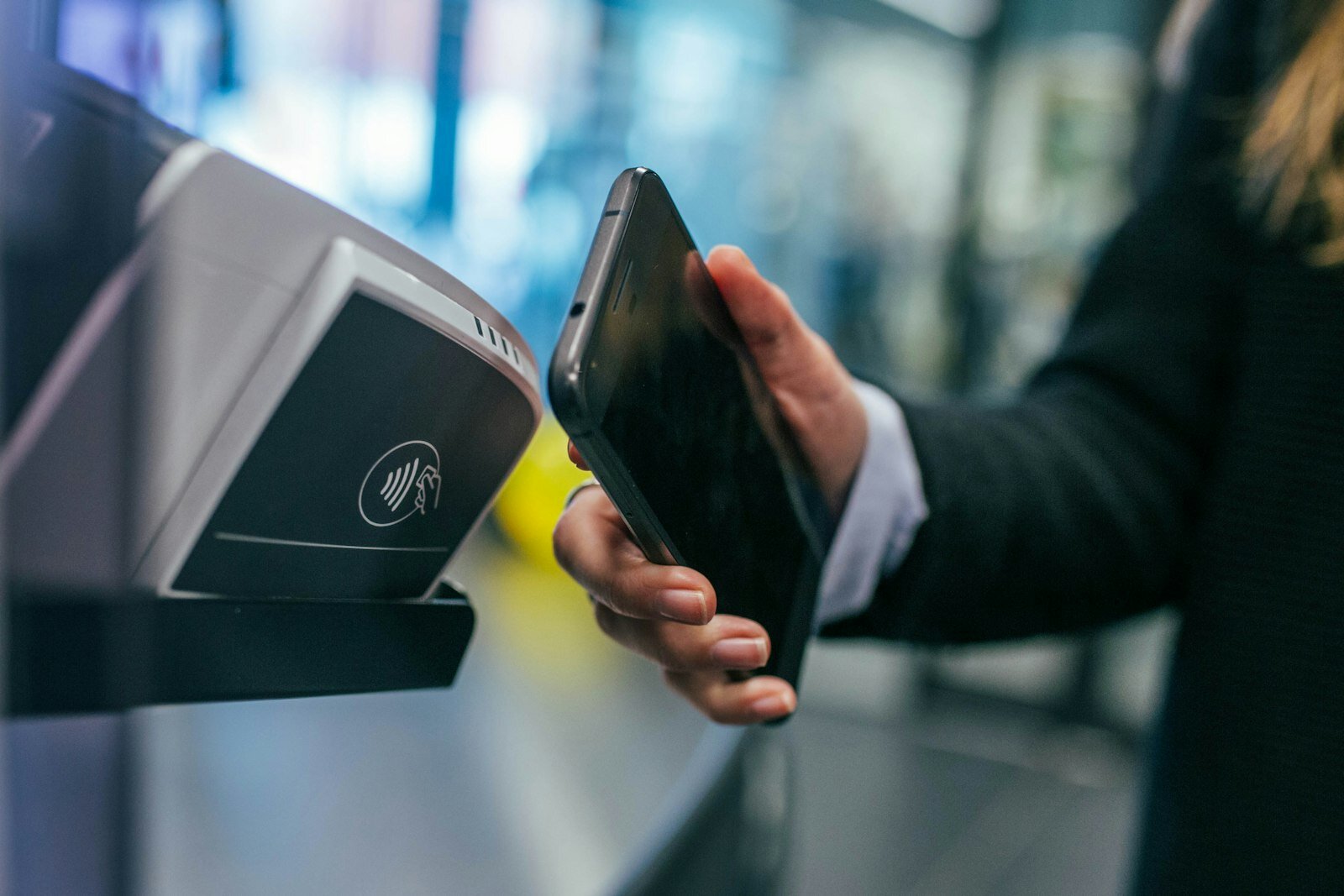
Vytvorte si bezplatnú stránku prepitného Tippidy, pridajte ju do Apple Wallet a Google Wallet a nechajte hostí dávať vám prepitné za sekundy cez Apple Pay, Google Pay alebo kartou — bez aplikácie, okamžité výplaty.
Funguje s Apple Wallet a Google Wallet · Žiadne mesačné poplatky