
Reducing Tip Friction at Checkout
 Maya Patel
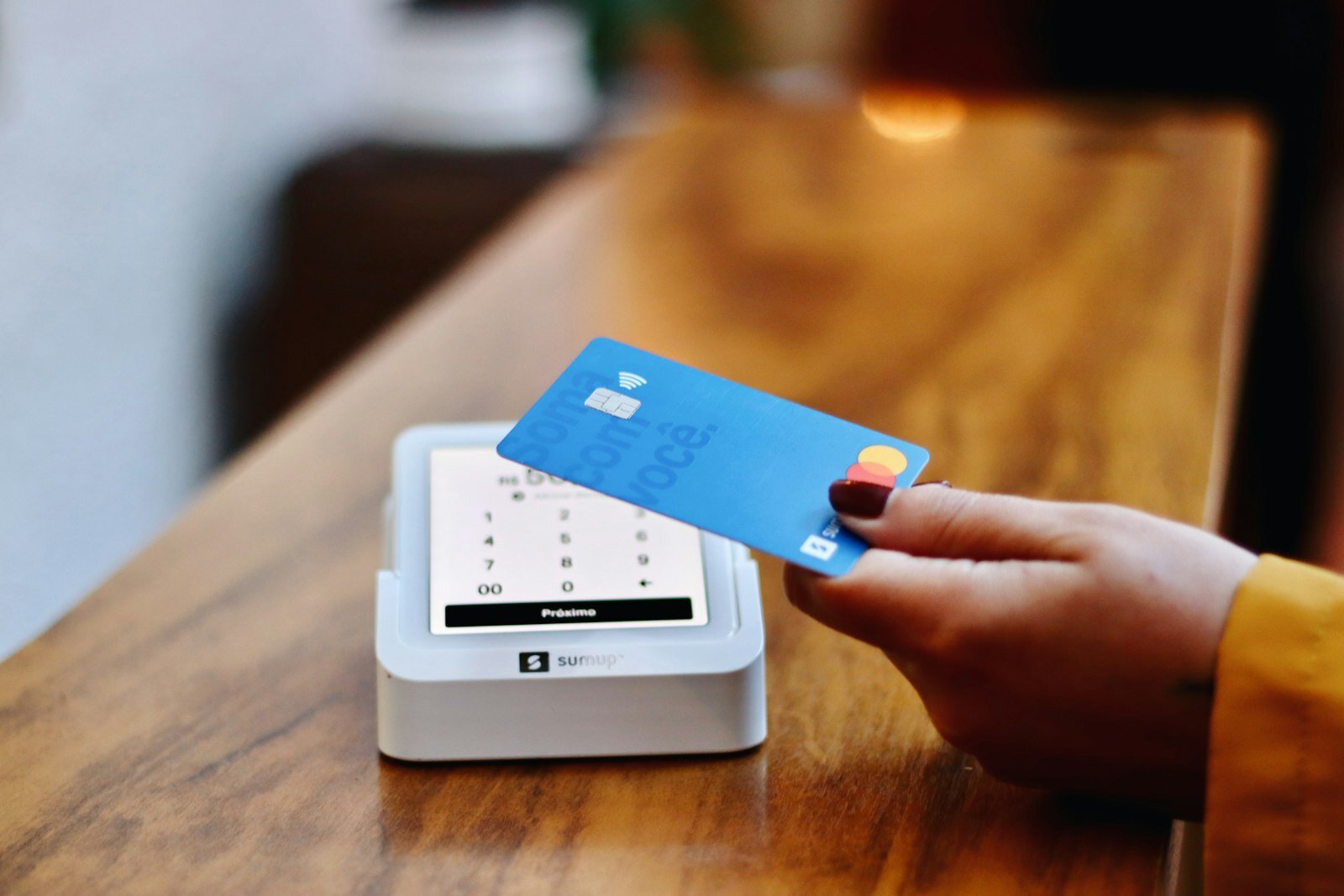
There is a well-documented effect in behavioural psychology sometimes called "point of sale coercion" — the heightened social pressure experienced when a tip prompt appears on a payment terminal at the moment of checkout, with a staff member watching and other customers potentially waiting behind. This pressure can produce tips from customers who felt no genuine impulse to leave one, while simultaneously generating resentment that colours the memory of an otherwise positive experience. It can also produce refusals from customers who find the prompt presumptuous, leading to awkward interactions that benefit no one.
Neither outcome is actually what the business wants. Operators want genuine appreciation to be expressed frictionlessly. Workers want tips that feel voluntary. Customers want to be able to express gratitude without being cornered into it. The challenge is building a checkout and post-checkout tipping experience that achieves all three simultaneously — and the design decisions involved are more consequential than they might appear.
The Problem with Terminal-Based Tip Prompts

Tablet and card terminal tip prompts have proliferated over the past decade, driven partly by the decline of cash and partly by point-of-sale providers who have made the feature standard. The format is familiar: three percentage buttons (fifteen, twenty, twenty-five per cent) plus a custom option, presented before or after payment completion. The customer must actively select an option to proceed.
The core problem with this format is its timing and context. The decision is forced at the point of maximum social pressure — standing at a counter, potentially holding up a queue, with the server who just took your order watching the screen. Research on social facilitation suggests that observable decisions are made differently from private ones: people are more likely to tip something rather than nothing when they feel watched, but also more likely to feel coerced into doing so. This does not produce the warm relationship between tipping and service quality that the system is nominally designed to support.
There is also a design pattern problem: default tip amounts set high (twenty-five per cent on a quick-service coffee transaction, for instance) can feel extractive rather than appreciative, eroding the goodwill that tips are supposed to build. Customers who feel manipulated do not become loyal regulars.
Post-Transaction Tipping: The Privacy Dividend

S hifting the tipping moment away from the payment terminal and into the post-transaction experience addresses the social pressure problem directly. A QR code available in the venue, a link in the receipt email, or a prompt in a loyalty app notification allows the customer to make a tipping decision privately, at a moment of their own choosing, without anyone watching. This changes the psychology significantly.
A customer who decides to tip after returning to their table, or after leaving the venue, is making a free decision uncontaminated by social pressure. The decision to tip, and the amount, is more likely to reflect genuine appreciation for the service received. There is also an effect on the relationship between tip and experience: a customer who chooses to tip after the fact is consciously associating the gratuity with the quality of the service, which reinforces the feedback mechanism that makes tipping meaningful from the worker's perspective.
For venues concerned that post-transaction prompts will reduce total tip volume, the evidence is mixed and context-dependent. In some settings — particularly those with loyal regular customers who feel genuinely positive about the venue — post-transaction tipping rates can equal or exceed point-of-sale rates. The tips that disappear tend to be the coerced ones, which were never building the relationship they appeared to.
Design Principles for Low-Friction Tipping UX
The design of the tipping interface itself matters considerably. A few principles apply consistently. First, default amounts should reflect the actual nature of the transaction — a default of fifteen per cent on a £3.50 coffee is a different social gesture from the same default on a £60 restaurant meal. Miscalibrated defaults signal that the system is designed to extract rather than facilitate. Second, the custom amount option should be equally prominent to the percentage buttons — customers who want to leave a specific amount (a round number, or something calibrated to their experience) should not be made to feel that they are deviating from expected behaviour. Third, the option to skip tipping should be equally visible, with no more friction than adding a tip — dark patterns that bury or obscure the "no tip" option generate resentment.
For venues that deploy QR code tipping — either alongside or instead of terminal prompts — the landing page after scanning should reach the tip input within two taps. A QR code that requires the customer to create an account, navigate through a landing page, and enter payment details from scratch will not be scanned by most people. The design goal is to match the time cost of cash — a few seconds, no mental overhead — as closely as possible in a digital flow.
Integrating Tipping into Receipt and Post-Visit Communication
Digital receipts offer a particularly elegant tipping touchpoint. A customer who received good service, opens their receipt email that evening, and sees a brief line — "Leave a thank-you for [Name] or the team: [link]" — is in a receptive frame. The transaction is complete, the social pressure is gone, and the positive memory of the visit is intact. If the receipt lands while the customer is still feeling good about the experience (within an hour or two of the visit), conversion rates can be meaningful.
This approach requires that the point-of-sale system captures the customer's email and links it to a tipping-enabled receipt flow — infrastructure that some operators have and some do not. For those that do, the integration cost is typically low and the benefit is a tipping channel that generates genuinely voluntary gratuities from customers who are already engaged enough to open a receipt email.
Measuring What Works
Operators who want to reduce tip friction systematically should measure the outcomes of design changes rather than relying on intuition. The metrics to track are tip attachment rate (what proportion of transactions include any tip), average tip amount among tipping transactions, and — harder to measure but worth tracking qualitatively — any change in customer feedback about the payment experience. A tipping interface that increases attachment rate while producing complaints about pressure is not an improvement. One that maintains similar total tip income while generating better customer sentiment is genuinely better, even if the numbers look identical.
The broader design challenge in tipping is aligning the interests of the customer (genuine choice, no coercion), the worker (receiving voluntary appreciation that is meaningful), and the operator (facilitating gratuities without becoming a source of customer friction). These interests are actually well-aligned when the system is designed thoughtfully. The tension only appears when short-term revenue optimisation is prioritised over the relationships that make a business worth returning to.
Acest articol face parte din ghid complet pentru bacșișul digital — află cum să primești bacșiș prin card, Apple Pay sau Google Pay.
Comentarii (0)
Autentifică-te pentru a lăsa un comentariu.
Articole similare


Începe să primești bacșișuri digitale astăzi
Creează-ți pagina de bacșiș gratuită pe Tippidy, adaug-o în Apple Wallet și Google Wallet și lasă oaspeții să îți trimită bacșiș în câteva secunde cu Apple Pay, Google Pay sau orice card — fără aplicație, plăți instant.
Funcționează cu Apple Wallet și Google Wallet · Fără abonament lunar