
Digital Tipping for Hospitality Staff

 Maya Patel
Hospitality is, in many respects, the industry that tipping built. The expectation that service staff will earn a meaningful portion of their income from customer gratuities is baked into the pay structures, the recruitment conversations, and the cultural identity of the sector. It was also, until recently, baked into the assumption that customers would carry cash. That assumption has crumbled steadily over the past decade and has now largely collapsed. The challenge for hospitality operators and staff alike is to adapt a tipping culture that evolved around physical money to a world in which the overwhelming majority of customer payments are digital — and to do so in a way that is fair, legally compliant, and genuinely practical.
The Specific Challenges of Hospitality Tipping

What makes hospitality distinct from other tipped sectors is the complexity of the service delivery. A restaurant meal involves a chain of people: host, server, sommelier, kitchen, expediter, bar staff, and cleaning team. A hotel stay involves reservations staff, check-in, porters, housekeeping, concierge, and food and beverage. A bar shift involves bartenders, barbacks, and floor staff. In each case, the customer interacts with some of these people directly and benefits from the work of others invisibly. Any tipping system that captures only the visible interactions is, by definition, incomplete — and the more complex the operation, the more acute this problem becomes.
Digital tipping adds a layer of complexity because it creates records that cash did not. When tips were paid in cash directly to servers, the allocation question was settled at the table without any documentation. When tips pass through a card terminal, through an app, or through a shared QR code, there is a transaction record that the employer, the platform, and potentially HMRC can see. This visibility is in many ways beneficial — it supports compliance with the Employment (Allocation of Tips) Act 2023 and makes unfair deductions easier to challenge. But it also means that hospitality businesses can no longer treat tip distribution as an informal arrangement settled at the end of the night. It requires a policy, a process, and a record.
Front of House: Making the Most of Digital Tips

F or front-of-house staff — the servers, bartenders, and hosts who interact directly with customers — the shift to digital tipping requires both a practical setup and a change in habit. The practical setup is straightforward: a personal tip page or, in a team context, a shared crew page that customers can reach via a QR code. The change in habit is subtler. In a cash-tipping era, the tip arrived automatically at the moment of payment. In a digital context, it requires a moment of action on the customer's part — scanning a code, following a link, completing a payment. Workers who make this moment easy, natural, and visible will capture more of the tips that customers intend to leave but don't follow through on when the mechanism isn't in front of them.
Practical approaches include keeping a QR code card or small printed stand on the table or at the bar, mentioning the tip page naturally at the end of a conversation ("There's a QR code on the table if you'd like to tip — no pressure at all"), and including a tip link in any follow-up digital receipt or message where the business system supports it. The key is to provide the mechanism without pressure: customers who feel prompted or obligated to tip are less likely to do so enthusiastically, and the social goodwill that makes tips a positive part of the work experience is worth protecting.
Back of House: Ensuring Kitchen and Support Staff Benefit
Back-of-house workers — chefs, kitchen porters, prep cooks — have historically been poorly served by tipping systems that relied on front-of-house staff to volunteer a share. The honour system is real but imperfect, and the power imbalance between senior front-of-house staff and junior kitchen workers has in many operations made equitable sharing more aspiration than practice. Digital crew pages, which pool tips from multiple sources and distribute them according to agreed rules, offer a structural solution to this structural problem.
A restaurant that sets up a crew page for the full team — front of house and kitchen combined — and routes all digital tips through it can distribute them proportionally to hours worked without requiring any individual worker to make a voluntary decision about sharing. The rules are set once, applied automatically, and visible to all team members. This doesn't solve every conflict — disputes about whether the formula is fair are still possible — but it removes the specific vulnerability that kitchen workers face when their share depends on the generosity of colleagues rather than the mechanics of the system.
Hotels: A Multi-Department Challenge
Hotels present perhaps the most complex tipping environment in hospitality. Guests interact with staff across multiple departments over the course of a stay, and the tipping conventions for each are different. Porters at four- and five-star properties are accustomed to cash tips; housekeeping staff, who typically clean rooms without any guest interaction, have historically received very little despite the physical demands of the work. Concierge and front-desk staff occupy a different position again — they are visible and engage meaningfully with guests, but the nature of their role is less directly transactional than a restaurant server's.
Digital tipping offers a partial solution by allowing guests to tip specific staff members or departments at any point during or after their stay, without needing to carry cash or engineer a physical handover. A hotel that provides guests with QR codes for different departments — or a single code that allows the guest to specify how they'd like the tip allocated — can capture gratuity intent that would otherwise be lost entirely. The logistics of implementing this across a large hotel operation are non-trivial, but the benefit for housekeeping staff in particular, who are typically the most poorly compensated relative to their contribution, is significant.
Legal Compliance: What the 2023 Act Means for Hospitality
The Employment (Allocation of Tips) Act 2023 was substantially shaped by evidence of poor practice in the hospitality sector specifically. Service charges collected on the bill, mandatory or discretionary, have sometimes been retained partly or wholly by employers rather than passed to staff. Card tips have been subject to deductions for payment processing fees, administrative costs, or informal management discretion. The Act eliminates these practices by requiring all qualifying tips to be passed to workers in full, distributed fairly according to a written policy, and recorded in a way that workers can inspect.
For hospitality managers, this means reviewing current tip handling practices before an employee challenge or tribunal claim forces the issue. The questions to answer are: do all tips received through our systems reach workers in full? Is our allocation policy written down and accessible to all staff? Do we keep records adequate to respond to a request for a worker's tipping record? Are our allocation rules genuinely fair, or do they favour senior staff or management at the expense of lower-paid workers? If any of these questions is uncomfortable, addressing it proactively is considerably less costly than addressing it reactively.
Building a Tipping Culture That Works for Everyone
The most important insight for hospitality operators thinking about digital tipping is that the technology is a tool, not a solution. The goal is a tipping culture in which customers feel comfortable and able to express genuine appreciation, workers receive a fair and transparent share of the tips generated, and the rules of the system are understood and trusted by everyone involved. Digital platforms make that goal more achievable — the transparency, the automation, and the record-keeping all reduce the friction and the scope for abuse that characterised cash-based systems. But the design of the system, the communication with staff, and the commitment to genuine fairness are human choices that the technology cannot make.
Hospitality workers who understand their rights, use digital tipping tools effectively, and advocate for fair allocation within their teams are in a stronger position than those who rely on informal arrangements and hope for the best. The sector has not always treated its workers' tip income with the seriousness it deserves. The combination of better tools and stronger law gives workers and operators alike the means to do better — the question is whether they choose to use them.
Šis straipsnis yra mūsų išsamus skaitmeninių arbatpinigių vadovas — sužinokite, kaip gauti arbatpinigius kortele, Apple Pay ar Google Pay.
Komentarai (0)
Prisijungti palikti komentarą.
Susiję įrašai


Pradėkite gauti skaitmeninius arbatpinigius šiandien
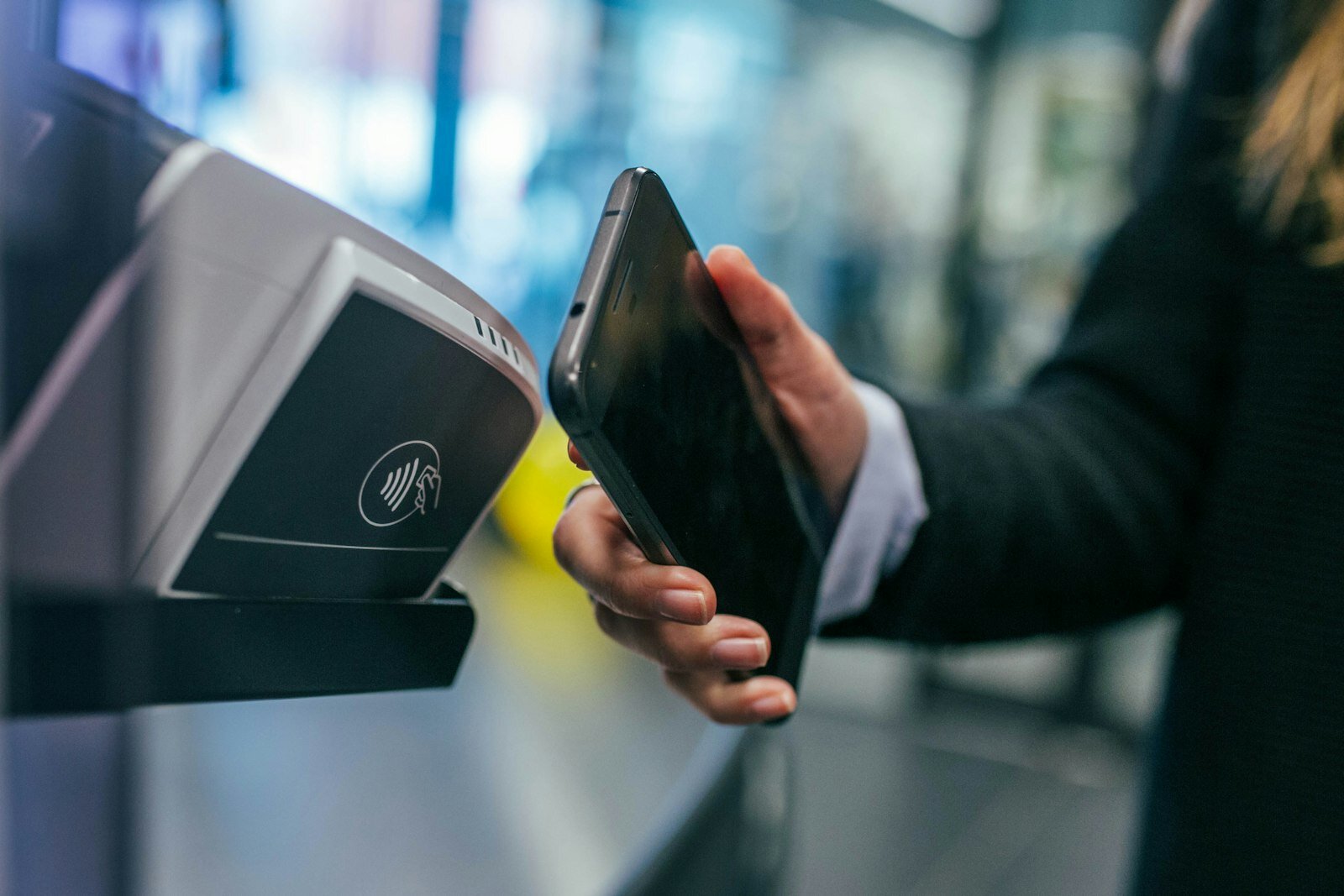
Susikurkite nemokamą Tippidy arbatpinigių puslapį, pridėkite į Apple Wallet ir Google Wallet, ir leiskite svečiams per kelias sekundes palikti arbatpinigius su Apple Pay, Google Pay ar bet kuria kortele — be programėlės, išmokėjimai akimirksniu.
Veikia su Apple Wallet ir Google Wallet · Jokių mėnesinių mokesčių