
Tipping Culture Around the World

 Maya Patel
There are few more reliable ways to embarrass yourself as a traveller than by misunderstanding the local tipping culture. Leaving too little in the United States marks you as ungenerous; leaving anything in Japan can cause genuine discomfort. Pressing an extra note into someone's hand in parts of the Middle East might be received warmly or might be interpreted as an insult, depending on the context and the relationship. Tipping culture is one of those social systems that feels universal — gratitude for service is universal, after all — but manifests so differently across societies that the details require active attention. The rise of digital tipping is beginning to change some of these patterns, but it has not erased them.
North America: Where Tipping Became a Wage Substitute
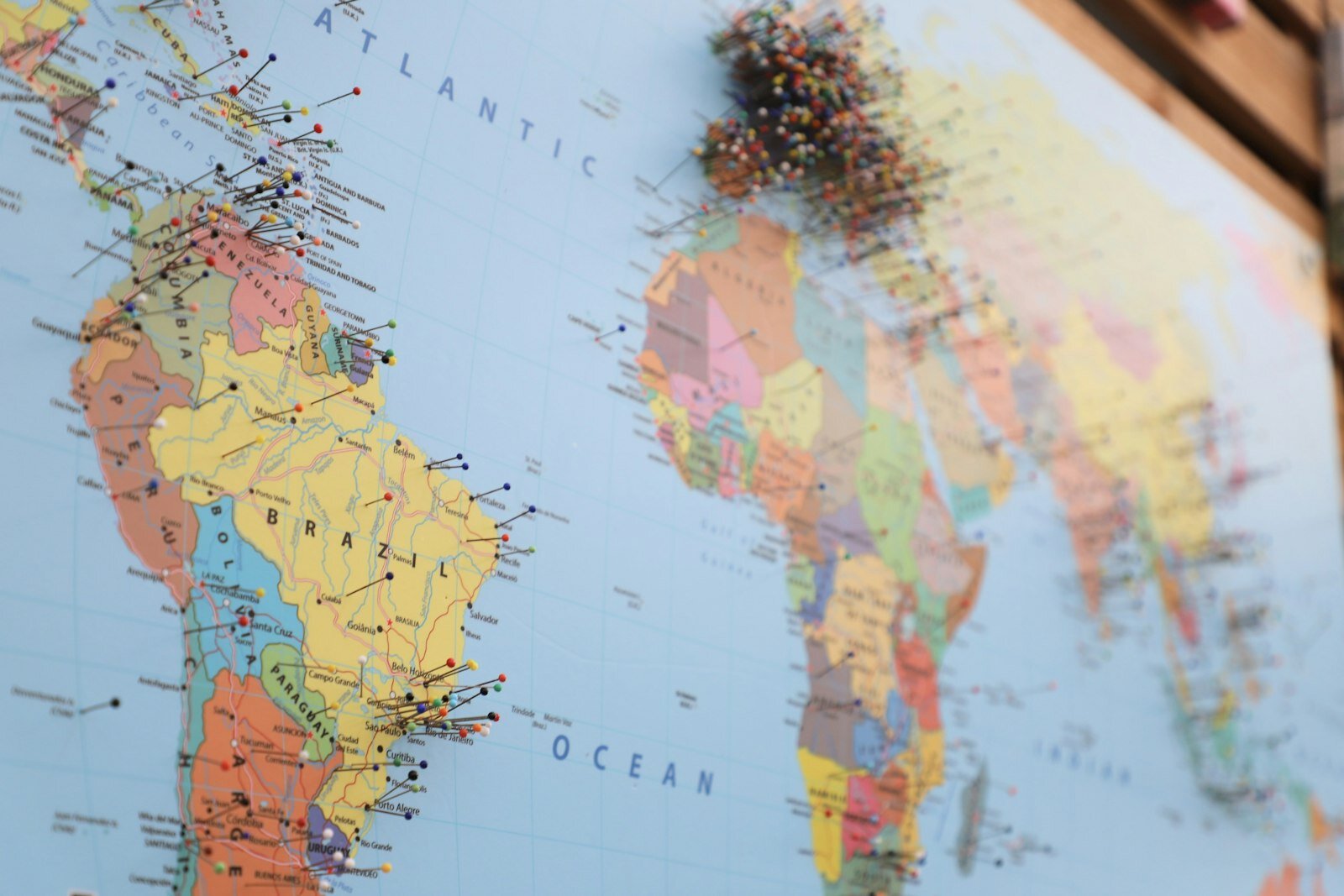
The United States has the most elaborated tipping culture in the world, and its peculiarities are directly traceable to a specific economic arrangement. American federal law permits employers to pay tipped workers a lower base minimum wage — the "tipped minimum wage" — on the assumption that tips will bring total compensation up to the full minimum wage and beyond. This creates a system in which tipping is not a voluntary expression of appreciation but a de facto component of compensation that workers depend on to meet basic living costs. The result is that the expected tip percentage in American restaurants has risen over time — from ten per cent to fifteen to twenty, and now often twenty to twenty-five per cent in urban markets — and the range of service contexts in which tipping is expected has expanded considerably.
Canada operates a similar system with similar norms, though the base wages are generally higher. Mexico has strong tipping traditions in tourist-facing service contexts. Across North America, the digital transition has made tipping more prominent and the expected amounts more explicit, with card terminal prompts showing default percentages that would have seemed extraordinary a generation ago.
Europe: Discretionary by Tradition

Europea n tipping norms are more heterogeneous and generally more modest than their North American equivalents. In the United Kingdom, as discussed elsewhere on this platform, ten to fifteen per cent in restaurants is a conventional benchmark, taxis merit rounding up, and a range of other service workers appreciate but do not expect tips. Germany has a strong tipping tradition — rounding up the bill and telling the server how much change to give back ("Stimmt so" — "keep the change") is customary — but the amounts are typically modest. France has historically tipped less, partly because service compris (service included) was standard for decades; it remains common to leave small change or a euro or two on the table after a satisfying meal.
Scandinavia presents an interesting case. Countries like Norway, Sweden, and Denmark have high base wages and strong social safety nets, which has historically meant that tipping was genuinely optional and not expected in the way it is in the US or UK. Card payment dominance and the introduction of tip prompts on card terminals has begun to shift this — the interface nudges customers towards tipping even in cultures where the practice was previously minimal. Whether this represents a genuine cultural shift or a design-led import of American norms is an open question.
Southern and Eastern European countries vary considerably. Italy has a long tradition of leaving a small amount — the coperto (cover charge) is standard in many restaurants and replaces rather than supplements a tip. Spain and Portugal see moderate tipping in tourist-facing contexts. Eastern European countries generally have lower tipping expectations, though these are evolving as standards of living and service industry structures change.
Asia: Where Tipping Can Be Unwelcome
Japan is the country most often cited as an example of tipping being culturally inappropriate, and the generalisation is broadly accurate. In Japan, exceptional service is considered the standard expectation of a professional, not a performance to be financially rewarded on top of the agreed fee. Leaving a tip can imply that the worker was performing beyond their duties in a way that is intended as a compliment but may be received as an implication that their normal standard was insufficient. In very tourist-facing contexts the convention is shifting slightly, but the default expectation for visitors remains: do not tip in Japan.
China and Hong Kong occupy different positions. In mainland China, tipping is not customary and may be declined. In Hong Kong, influenced by decades of British colonial practice, a service charge is commonly added to bills in hotels and upmarket restaurants, and some additional tipping is accepted in higher-end contexts. South Korea is similar to Japan in that tipping is not expected, though it is more accepted in international hotels and upmarket restaurants in Seoul.
Southeast Asia is more varied. In Thailand, service charges are standard in tourist-facing restaurants, and additional tipping is welcomed. In Vietnam, tipping is increasingly common in the tourist economy — guides, drivers, and hotel staff appreciate gratuities, and the amounts are modest in absolute terms given the purchasing power differential. Indonesia and the Philippines have growing tipping cultures in hospitality contexts, partly driven by the prominence of international tourism in their economies.
The Middle East and Africa: Context Dependence
Across the Middle East, tipping is common but contextually complex. In the Gulf states, tipping in restaurants and hotels is standard and the amounts expected are similar to Western European norms. In countries where service workers are predominantly migrant labourers with limited financial protections, tips carry particular weight — the equivalent of a modest tip for a tourist represents meaningful income for the worker. In some cultural contexts, the manner of giving is as important as the amount: handing money directly and making eye contact communicates respect, whilst leaving money on a table without acknowledgement can feel dismissive.
Africa is highly varied. South Africa has a strong tipping culture influenced by its particular labour market history, with expectations in restaurants broadly similar to European norms. East African countries have tipping practices shaped heavily by the tourism industry — safari guides, for example, are typically tipped at rates that are well above local salary norms, reflecting the international standard established by decades of luxury tourism. In West Africa and elsewhere, the norms are more varied and context-dependent.
How Digital Tipping Is Reshaping Global Norms
The most interesting question about tipping culture in the current era is not where the norms currently sit but how they are changing, and what role digital technology is playing in that change. There is reasonable evidence that digital tip prompts — the standardised card terminal screens showing tip percentage options — are beginning to homogenise tipping expectations across cultures. A tourist from a low-tipping culture encounters a prompt in a high-tipping context and learns to tip. A worker in a low-tipping culture receives a digital tip from an international tourist and the norm shifts at the margins. The platform infrastructure is not culturally neutral.
This convergence is uneven and incomplete. The deep cultural resistance to tipping in Japan is unlikely to be shifted by a few more card terminal prompts. The structural US dependency on tips as a wage substitute is a policy problem that technology cannot resolve. But in the middle ground — the many countries where tipping is practised but norms are shifting — digital tools are accelerating the pace of change and making the practical act of tipping easier for both parties, regardless of where the cultural needle currently points.
Platforms designed for international use, like Tippidy, which supports multiple currencies and multiple languages, are part of this infrastructure shift. They allow the same tipping mechanism to function whether the customer is in London, Lagos, or Lisbon, and whether the worker is receiving pounds, naira, or euros. The cultural differences remain — and understanding them, as this guide has tried to show, is essential for respectful travel. But the technical barriers to expressing appreciation across borders are lower than they have ever been. The norms will catch up, or they won't. In the meantime, the tool is there for anyone who wants to use it.
Ez a cikk részét képezi a következőnek: teljes útmutató a digitális borravalózáshoz — tanuld meg, hogyan kaphatsz borravalót kártyával, Apple Pay-jel vagy Google Pay-jel.
Hozzászólások (0)
Bejelentkezés hozzászólás írásához.
Kapcsolódó bejegyzések
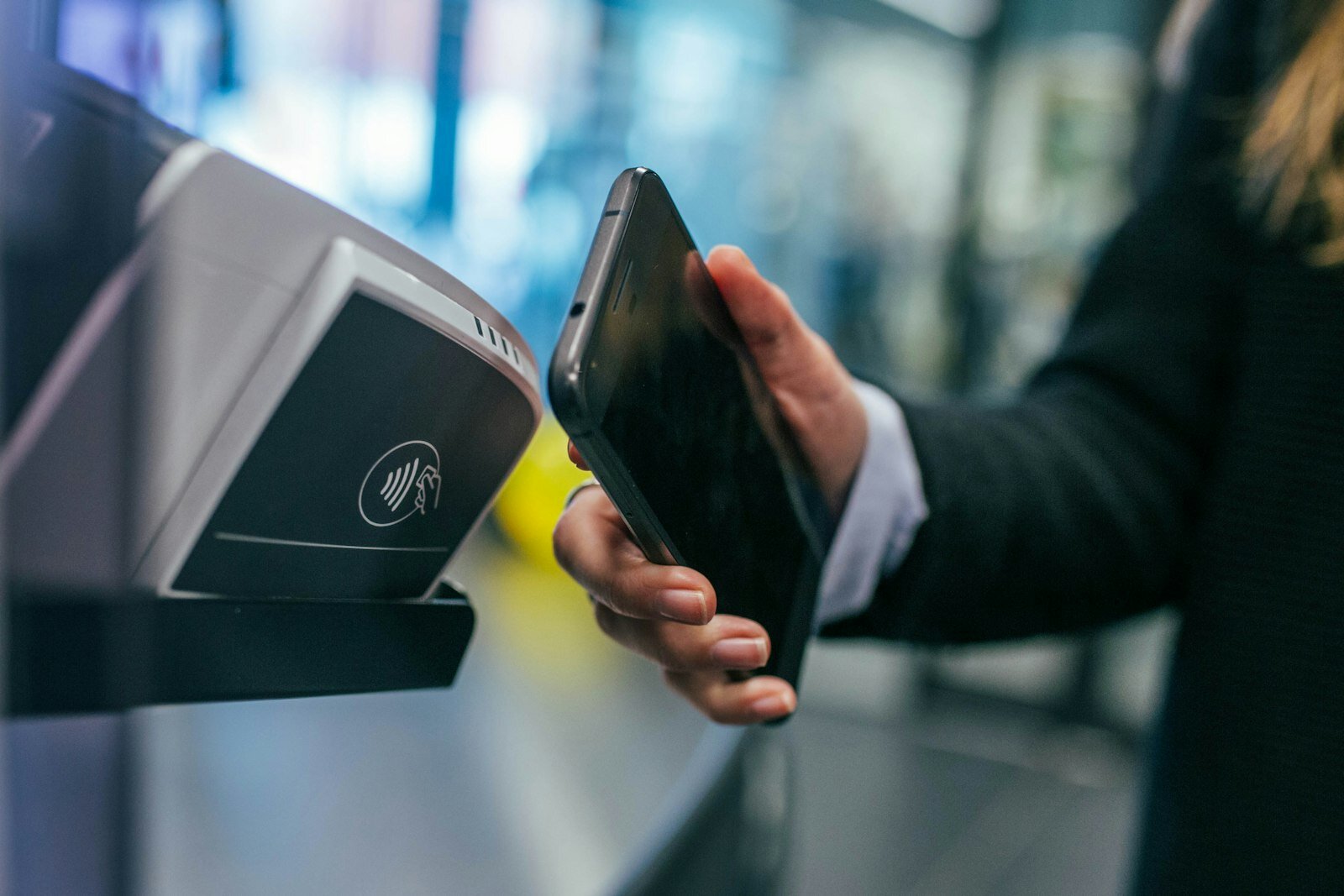


Kezdj el digitális borravalókat kapni ma
Hozd létre ingyenes Tippidy borravalós oldaladat, add hozzá az Apple Wallethez és Google Wallethez, és hagyd, hogy a vendégek másodpercek alatt borravalót adjanak Apple Pay-jel, Google Pay-jel vagy bármilyen kártyával — app nélkül, azonnali kifizetéssel.
Működik az Apple Wallet és Google Wallet rendszerrel · Nincs havidíj