
The Future of Digital Tipping
 Maya Patel
Tipping is one of those economic customs that resists rationalisation. Economists point out that it violates basic assumptions about incentive timing, social scientists note its susceptibility to bias, and technologists observe that its cash-based mechanics are increasingly anachronistic. Yet tipping persists — and where cash is declining fastest, digital alternatives are not merely replacing it but expanding and transforming it. The question is not whether digital tipping will continue to grow, but in what directions, at what pace, and with what consequences for the workers who depend on it.
The Infrastructure Is Ready
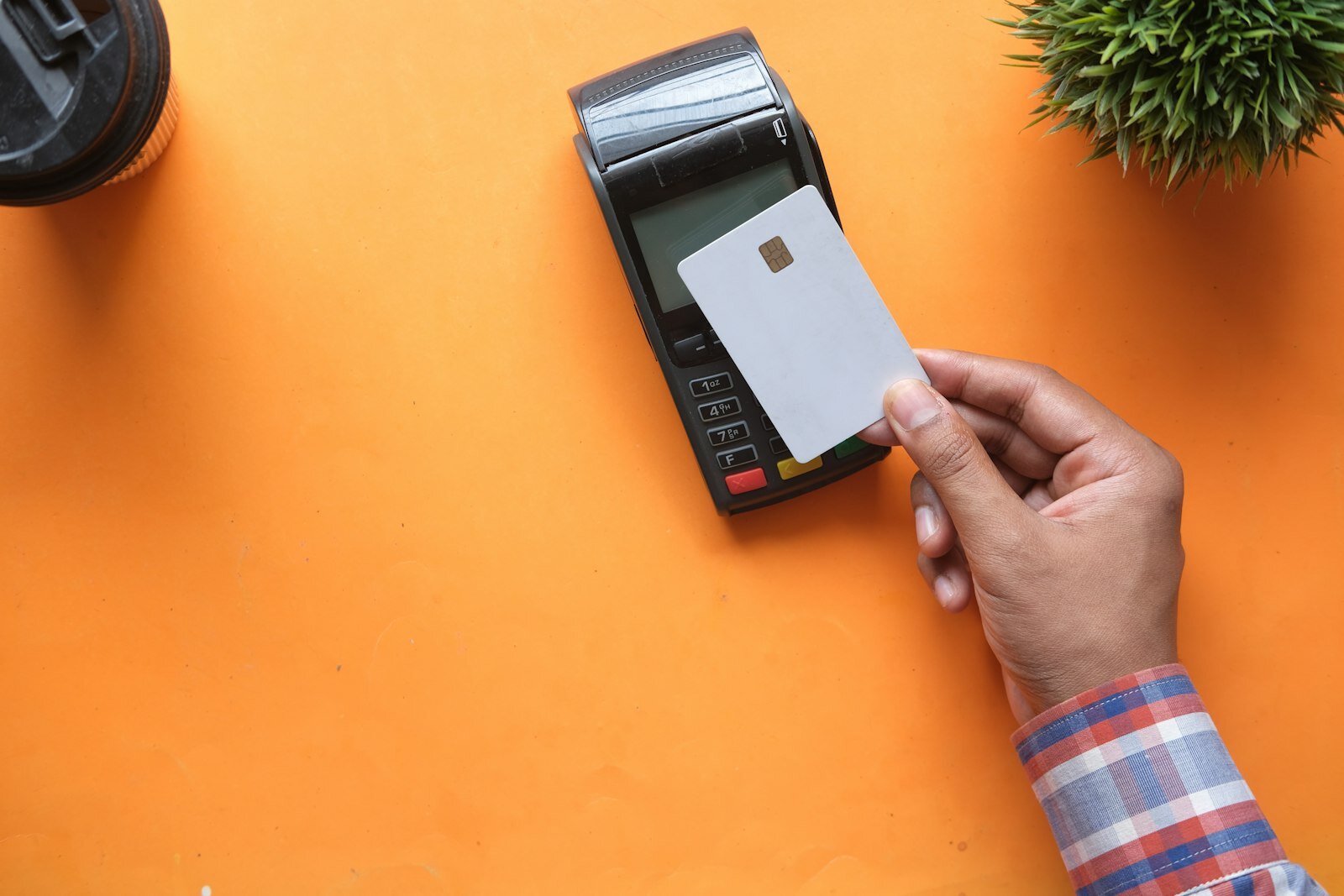
The underlying payments infrastructure that digital tipping requires has matured faster than most observers expected. Open Banking in the UK enables account-to-account payments with no card network intermediary; real-time gross settlement systems mean funds can move between bank accounts instantly around the clock; smartphone penetration means the device needed to send or receive a tip is already in almost everyone's pocket. The friction that once made digital tipping impractical — slow bank transfers, unfamiliar apps, unreliable network connectivity — has largely been engineered away.
Stripe's Instant Payouts, faster payments infrastructure, and digital wallet ubiquity mean that a tip paid at 11pm on a Saturday night can be in a worker's bank account before midnight. This is not a marginal improvement over the two-day bank settlement cycle of five years ago; it is a qualitative change that makes digital tipping genuinely competitive with cash on the dimension that matters most to workers: immediate access to earnings.
Legislative Momentum and Worker Rights
T he Employment (Allocation of Tips) Act 2023 represents one of the clearest signals that the UK government views tip income as workers' money, not employers' discretionary distributions. The Act's requirements — written policies, full pass-through, prohibition on using tips to top up wages — establish a floor that legitimises worker expectations and creates compliance pressure on the substantial minority of operators who have historically retained or redirected tip income.
This legislative momentum is unlikely to stop at current levels. As digital tipping creates fuller, more auditable records of tip flows, enforcement of the Act becomes more tractable for regulators and workers alike. Future regulatory developments may address the grey areas the current Act leaves open — the status of processing fees charged by third-party platforms, the treatment of service charges at different types of venue, and the rights of zero-hours and agency workers in complex staffing arrangements. Each clarification tends to strengthen worker protections rather than weaken them, and the political economy of workers' rights in the post-pandemic era is strongly in that direction.
AI, Personalisation, and the Tip Prompt
The nudge architecture around tipping — how the prompt is presented, when it appears, what amounts are suggested — is already the subject of sophisticated design attention. As machine learning becomes embedded in payment products, personalisation of tip prompts is a natural development. A prompt that adapts suggested amounts based on the type of service, the time of day, the customer's previous tipping behaviour, and contextual signals about the service quality could convert more tips from willing customers without adding pressure on those who are not.
This raises genuine ethical questions. The line between helpful framing and manipulative design is real, and the interests of platforms, workers, and customers do not always align. Platforms that are transparent about their prompt design — that publish their default suggested amounts and explain the reasoning, that give workers meaningful input into how their tip pages are configured — are more likely to sustain trust across all parties than those that optimise purely for tip conversion rate. The best outcome is one where generous customers have the friction removed, not one where reluctant customers are nudged past their genuine preferences.
Embedded Tipping Across the Service Economy
Tipping currently operates at the margins of the broader payments ecosystem — it is an afterthought in most payment flows, a secondary prompt after the primary transaction is complete. The medium-term trajectory is towards tipping being embedded earlier and more deeply. A food delivery platform that surfaces a tip option at the moment of order confirmation, before the rider has even picked up the food, is capturing a different moment than one that presents the prompt after delivery. A venue app that allows guests to pre-tip their server at the time of reservation — as a statement of intent and an extension of the relationship — is reimagining the tip as a form of advance appreciation rather than post-hoc gratitude.
These are not hypotheticals; some platforms are already experimenting with them. The direction of travel is towards tipping becoming a native feature of service transactions rather than a separate, optional supplement. For workers, this could mean more reliable tip income, better forecasting, and less variability across shifts. For customers, it could mean a richer, more intentional relationship with the service workers they value.
Global Norms and the Convergence of Tipping Culture
UK tipping culture has historically been more restrained than American practice and more generous than many European norms. As travel normalises and platforms operate across borders, there is a gradual convergence of expectations. UK consumers accustomed to tipping abroad return with different habits; workers in tourist-facing industries have absorbed norms from international guests; and platforms that operate across multiple markets tend to import the more tipping-forward American UX patterns.
This convergence is not uniform. There will remain meaningful differences between service contexts, regional cultures, and individual preferences. But the direction is towards tipping becoming more routine, more digital, and more structurally important to service worker income in the UK than it has historically been. For workers in hospitality, tourism, wellness, and the creative trades, this is largely a positive development — provided the legislative and technological infrastructure ensures that the tips customers pay actually reach the workers who earned them.
The Long View: Tips as Income Infrastructure
The deepest change that digital tipping enables is the transformation of tip income from informal supplement to documented, portable, financeable income. A worker who has three years of consistent digital tip records has something that no cash-tipped worker has ever had: evidence. Evidence of earnings for a mortgage application, evidence of professional performance for a job interview, evidence of income stability for a personal loan, evidence of contribution for a pay rise negotiation.
Platforms like Tippidy are building tools that treat worker tip income as the legitimate, significant financial resource it is, rather than a cash afterthought. Personal tip pages that accumulate ratings and history, payout tools with transparent fee structures, data exports that feed directly into accounting software — these are the building blocks of a financial infrastructure for service workers that did not exist a decade ago and is still being assembled.
The future of digital tipping is, in the end, the future of how society values service work. The tools are ready. The legislation is moving in the right direction. The question is whether the habits — of workers, venues, and customers — will shift quickly enough to realise the potential. The signs are encouraging, and the direction is clear.
Ez a cikk részét képezi a következőnek: teljes útmutató a digitális borravalózáshoz — tanuld meg, hogyan kaphatsz borravalót kártyával, Apple Pay-jel vagy Google Pay-jel.
Hozzászólások (0)
Bejelentkezés hozzászólás írásához.
Kapcsolódó bejegyzések



Kezdj el digitális borravalókat kapni ma
Hozd létre ingyenes Tippidy borravalós oldaladat, add hozzá az Apple Wallethez és Google Wallethez, és hagyd, hogy a vendégek másodpercek alatt borravalót adjanak Apple Pay-jel, Google Pay-jel vagy bármilyen kártyával — app nélkül, azonnali kifizetéssel.
Működik az Apple Wallet és Google Wallet rendszerrel · Nincs havidíj