
Tipping Buskers and Street Performers

 Maya Patel
Busking is one of the oldest forms of public performance and one of the most economically honest. The audience decides, in real time, whether the experience is worth paying for. There is no ticket price, no minimum spend, no obligation whatsoever. The performer plays; the listener chooses to stop, to engage, and perhaps to reach into a pocket. The model is pure: appreciation expressed in money, freely given, with no intermediary setting expectations about how much.
For most of recorded history, this transaction has required cash. Coins in a hat or an open guitar case. Notes for exceptional performances or generous moods. The economics have always been somewhat brutal: a genuinely skilled musician on a busy pitch can earn meaningful income; a moderate performer on a slow pitch earns almost nothing. But the mechanism was universal — cash is cash, immediately available, requiring nothing except the willingness to part with it.
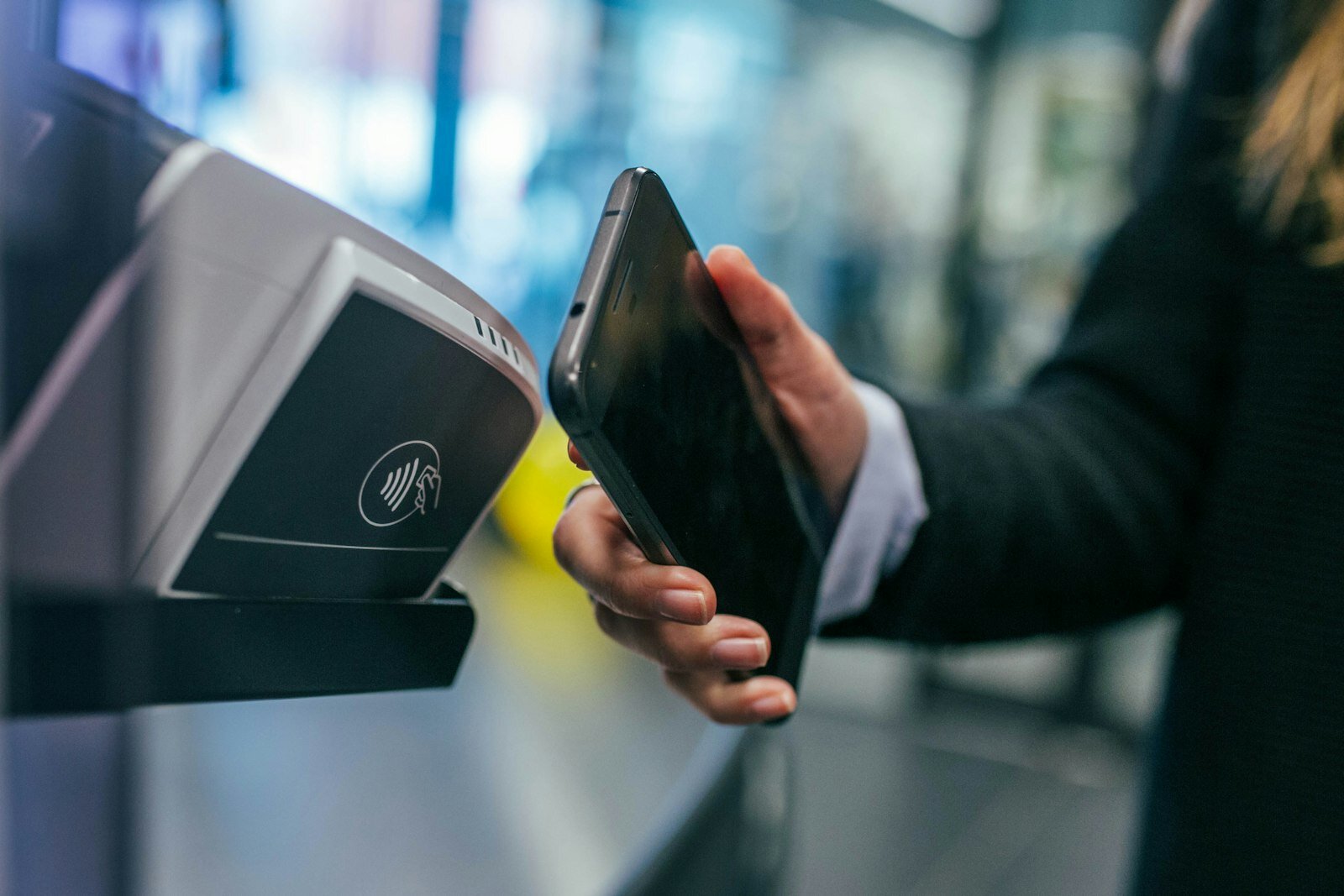
The shift away from cash payments in the UK has hit buskers and street performers particularly hard. A pedestrian who would genuinely like to leave something — who has been stopped in their tracks by a performance and wants to express that — may simply not have coins. They tap their Oyster card, pay for coffee on contactless, and carry no physical currency at all. The willingness is there; the mechanism is not.
The QR Revolution on the Pitch

T he response from the busking community has been gradual but increasingly widespread: QR codes on the guitar case, on a sign propped against an amplifier, on a small laminated card near the tip collection point. A passerby with a phone and a willingness can scan, tap through to a tip page, and leave a payment in under thirty seconds without breaking stride. The performer keeps playing. The transaction happens invisibly.
This is a genuinely significant development for the economics of street performance. The population of potential tippers has expanded from those who happen to carry cash to essentially anyone with a smartphone and a payment method linked to it. For performers on high-footfall pitches in city centres — outside stations, on shopping streets, in pedestrianised areas — this can make a material difference to daily earnings.
The conversion rate from "stopped to listen" to "left a tip" remains lower for QR codes than for cash, in part because the action requires more steps and in part because there is no social cue equivalent to the coins already in the hat (the demonstration that other people have already tipped). But for a performer who was previously receiving nothing from the majority of the audience who carries no cash, any conversion from this group represents pure additional income.
Platform Choice: What Performers Need From a Tip Page

A str eet performer setting up a digital tipping mechanism has different requirements from a hospitality worker at a fixed venue. They need a page that loads quickly on mobile, requires minimal data entry from the tipper, and works reliably on various network conditions (London Underground station entrance pitches, for instance, can have patchy connectivity). They need instant or near-instant notification so they know when a tip has arrived. And they need payouts that happen quickly — a performer who has earnt £40 in tips on a Saturday pitch does not want to wait two weeks to access it.
Personal tip pages designed for simplicity — a name, a short description, and a payment button — serve this context well. Tippidy's individual tip pages are built for exactly this kind of scenario: a URL or QR code that takes someone directly to a tip input, with no account creation required from the tipper and immediate payout to the performer's account. The QR code can be printed at home, laminated, and taped to a guitar case in under an hour.
Some performers add a line of context to their page — a genre description, a link to their music, a note about what they are saving for. This humanises the transaction slightly and may increase tip amounts from people who engage with the page beyond the payment step. Others keep it minimal, treating the tip page purely as a frictionless payment mechanism. Both approaches work; the choice depends on the performer's comfort with sharing context about themselves online.
Busking Licences, Income, and the Tax Position
In most UK cities, buskers require a licence to perform in managed public spaces — Transport for London operates a well-known licensed busking scheme, as do many city councils and shopping centres. Licensing requirements vary significantly by location: some require auditions, some are first-come-first-served, some are unrestricted in certain areas. Performers who are uncertain about the rules for a specific pitch should check with the relevant local authority or venue operator.
From a tax perspective, income earned from busking — whether in cash or via digital tips — is self-employment income and should be declared to HMRC via Self Assessment if it exceeds the trading allowance (£1,000 in a tax year). Below this threshold, no reporting is required and no tax is due. Above it, the income is subject to Income Tax and Class 4 National Insurance in the usual way for self-employed people.
The shift to digital tipping creates an automatic record of income that cash never did. This is broadly a positive development — it makes tax compliance easier by providing a payment history — but performers should be aware that digital tip income is more visible to HMRC than cash income has historically been. Keeping accurate records and filing correct returns is both legally required and, in practical terms, easier when payment platforms provide detailed transaction histories.
Multi-Performer Groups and Shared Tip Pages
Street performance often involves groups: a duo, a small band, a trio of acrobats. For groups performing together, shared tip pages — where income from a single QR code is distributed among the performers according to a pre-agreed split — are more appropriate than multiple individual QR codes, which would create confusion about who to tip and potentially divide attention at the moment of decision.
A group performing together for the first time at a festival or pop-up event can set up a shared crew page in advance, configure the split, and print a single QR code to bring to the pitch. At the end of the day, each member receives their share directly without any counting, dividing, or trust required. For regular performing partners, the ongoing arrangement becomes a reliable financial structure with no administrative overhead.
The Broader Picture: Public Space and Economic Access
There is something worth noting in the larger cultural picture here. Busking has historically been a point of economic access for musicians who lack the capital to record, tour, or secure venue bookings — a way to develop an audience and earn income simultaneously, with no gatekeeping beyond the quality of the performance and the willingness of a crowd to engage. Cash dependency was always a structural limitation of this model, tying earnings to the declining minority of pedestrians carrying small denominations.
Digital tipping does not transform the economics of street performance overnight, but it does meaningfully restore access to a transaction that was becoming increasingly theoretical. A performer who was previously watching ninety per cent of their potential audience walk past with no way to tip now has a mechanism — not perfect, not fully equivalent to a coin in a hat, but real — to reach them. For musicians, comedians, living statues, and chalk artists who depend on public generosity for their livelihood, that mechanism matters.
Tá an t-alt seo mar chuid dár treoir iomlán ar shíntiúis digiteacha — foghlaim conas síntiúis a fháil le cárta, Apple Pay nó Google Pay.
Tráchtanna (0)
Sínigh isteach chun trácht a fhágáil.
Ailt Gaolmhara

Tosaigh ag fáil síntiúis digiteacha inniu
Cruthaigh do leathanach síntiúis Tippidy saor in aisce, cuir le Apple Wallet agus Google Wallet é, agus lig d'aíonna síntiús a thabhairt duit i soicindí le Apple Pay, Google Pay nó aon chárta — gan aip, íocaíochtaí láithreach.
Oibríonn le Apple Wallet & Google Wallet · Gan táillí míosúla