
Tipping Hotel Housekeeping Digitally
 Maya Patel
There is a particular invisibility to hotel housekeeping work. The guest arrives to a freshly made bed, clean towels folded with geometric precision, a vanity restocked, a floor vacuumed, and a bathroom that shows no trace of the previous occupant. The craftsmanship is total: no seams showing, no sign that anyone was ever there. This invisibility — the very marker of excellent work — also makes the human being who did it entirely easy to forget. And so housekeepers, who are often among the lowest-paid workers in a hotel and who bear significant physical strain over a career, are also the workers least likely to receive tips.
In countries where tipping culture is well-established and cash is still common, guests may leave notes on a pillow. But in the UK, where contactless has largely displaced cash even for small transactions, the instinct to leave something has no natural vehicle. The result is that a guest who might genuinely want to leave £5 for exceptional service has no practical way to do so. This article is about how digital tipping is solving that problem — and what it means in practice for hotels and their housekeeping teams.
The Gap Between Intention and Action

Re search into tipping behaviour consistently shows that cash availability is one of the strongest predictors of whether a tip is left. It is not primarily a question of generosity or awareness — guests in hotels who do not tip housekeeping are not generally unappreciative. They simply do not have the right denomination of cash at the right moment, or they are unsure whether it is appropriate, or they check out via the app and never physically interact with the front desk at all.
The same guest who would tip a restaurant server without hesitation — because the structure of the meal creates a natural tipping moment and the payment infrastructure supports it — has no equivalent moment with housekeeping. The room is cleaned while they are out. The only natural touchpoint is the note left on the pillow, which feels slightly archaic and requires pre-planning that most guests simply don't do.
Digital tipping creates a new touchpoint. A QR code in the room — on a card, on the TV screen, near the safe — gives a guest a way to tip at any point during their stay, including when the good feeling of returning to a beautifully made room is fresh. The gap between intention and action collapses when the action takes ten seconds on a phone.
How Hotels Are Implementing Room-Based QR Codes
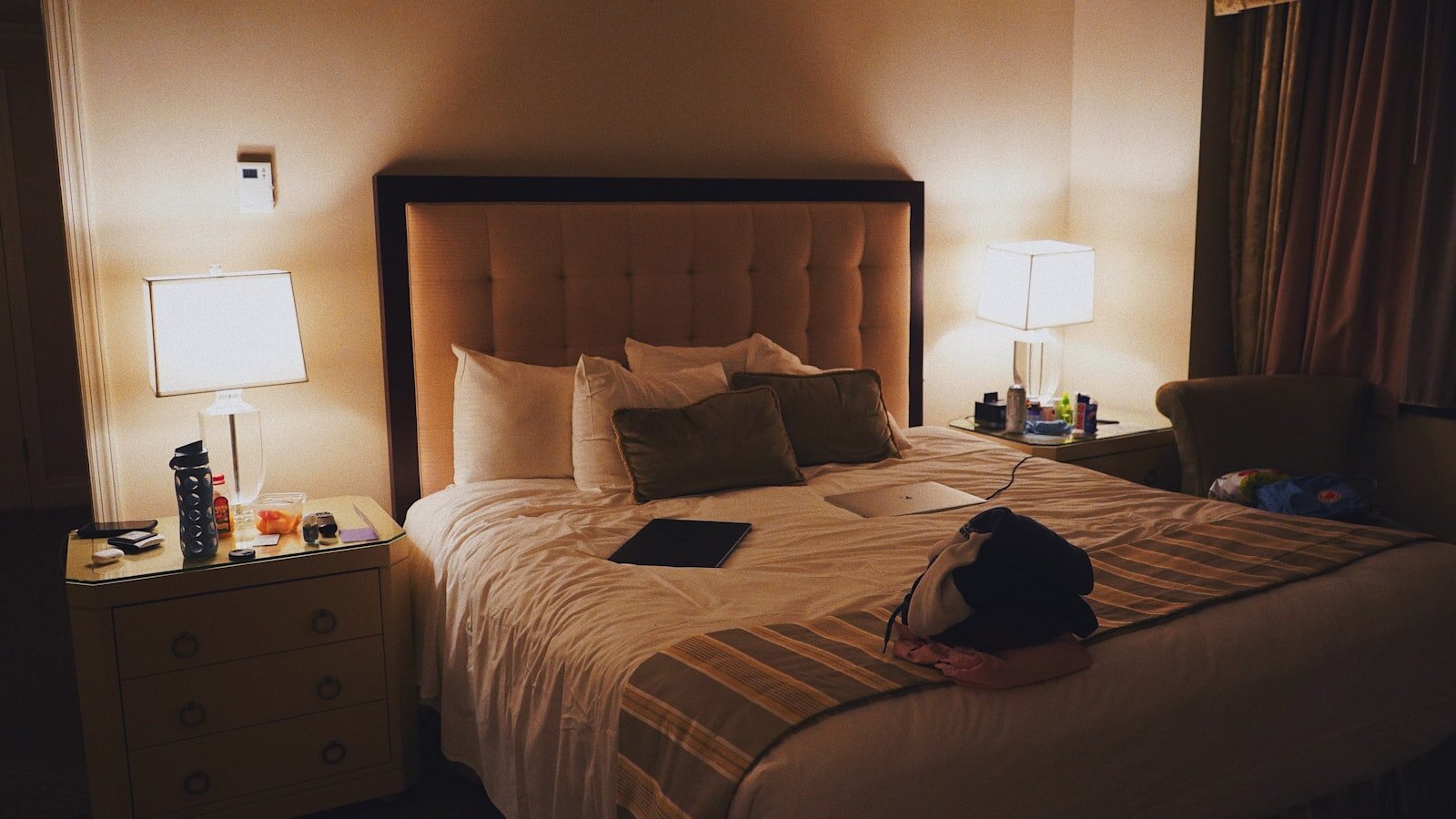
The most com mon implementation in hotels that have adopted digital housekeeping tipping is a small printed card in each room, often placed near the television or on the writing desk. The card explains that guests can leave a thank-you for the housekeeper who serviced their room, with a QR code that links to a tip page. Some hotels personalise this further, with the housekeeper's first name and a short message, which meaningfully increases engagement — guests tip more readily when they know they are tipping a specific named person.
The back-end logistics require some thought. If the same room is serviced by different staff members on different days, the QR code needs to either route to a team pool that is shared among the housekeeping crew, or be updated daily to reflect whoever is working that floor. Team tip pools — where tips addressed to a shared page are distributed according to pre-agreed rules — are the more practical solution for larger properties, since they do not require card changes every day.
Platforms that support crew tip pages, such as Tippidy, allow hotels to set up a single QR code per floor or wing that routes tips into a housekeeping team pool, split according to shifts worked or hours contributed. Workers receive their share directly to their own accounts, with full visibility over what came in. This removes the administrative burden from housekeeping managers while still ensuring equitable distribution across the team.
The Employment (Allocation of Tips) Act 2023 in a Hotel Context
The Act, which came into force in October 2024, has particular relevance for hotel operations. Hotels that collect service charges — either as a fixed percentage on room rates or as a voluntary addition — are now legally required to pass those amounts to workers in full without deduction, and to maintain a written tipping policy. Housekeeping staff must be included in the distribution if they interact with customers, which in practice means they must be covered by the policy even if the interaction happens in the absence of the guest.
For hotels that previously distributed service charge income inconsistently — or that retained portions to cover administration — the Act requires a genuine rethink of how gratuities are handled. Digital platforms create automatic audit trails: every tip received, when it was received, and to whom it was distributed is recorded. In the event of a dispute or an inspection, this documentation is immediately available. For hotels managing large housekeeping teams across multiple properties, this auditability has genuine operational value beyond mere compliance.
The Human Dimension: What It Means for Housekeeping Staff
It is worth dwelling on what this means for the actual people doing the work. Housekeeping is physically hard: a housekeeper in a medium-sized hotel may service fifteen to twenty rooms in a shift, each requiring stripping beds, replacing linen, scrubbing bathrooms, and restocking amenities. The work is carried out in a guest's temporary home, requiring both efficiency and a kind of invisible courtesy. Back injuries are common. Pay is typically at or near the National Living Wage.
For workers in this position, tips are not incidental income. Even modest amounts — a few pounds per day across a team — can meaningfully supplement a weekly wage. More than the financial effect, receiving a tip through a digital platform carries something that cash left on a pillow does not: a record. An individual tip notification on a phone is evidence that a specific guest noticed and appreciated the work done in their room. In work that is structurally invisible, that acknowledgement has significance that exceeds its monetary value.
Hotels that have introduced digital housekeeping tipping programmes consistently report improved team morale in housekeeping departments, which are often the most difficult to retain in the hotel workforce. The connection between this and turnover costs — recruiting and training a housekeeper is expensive and disruptive — makes a strong business case alongside the ethical one.
Starting Small: A Practical Pilot Approach
Hotels that want to test the concept without a full rollout can start with a single floor or a single room type. Print a small run of cards, link them to a single crew tip page for the housekeeping team assigned to that area, and monitor uptake over a month. The data from even a small pilot — how many tips, what average amounts, what proportion of guests engage — is sufficient to build a business case for a wider rollout.
The cost of entry is low: printed cards and a few hours of platform setup. The ongoing operational burden is minimal once the system is running. For an industry that is perpetually looking for low-cost ways to improve staff welfare and retention, digital housekeeping tipping is one of the more straightforward options available — and one of the most overdue.
See artikkel on osa meie täielik juhend digitaalseks jooteahevraha andmiseks — õpi, kuidas saada jootraha kaardi, Apple Pay või Google Pay'ga.
Kommentaarid (0)
Logi sisse kommentaari jätmiseks.
Seotud postitused


Hakka täna digitaalset jootraha saama
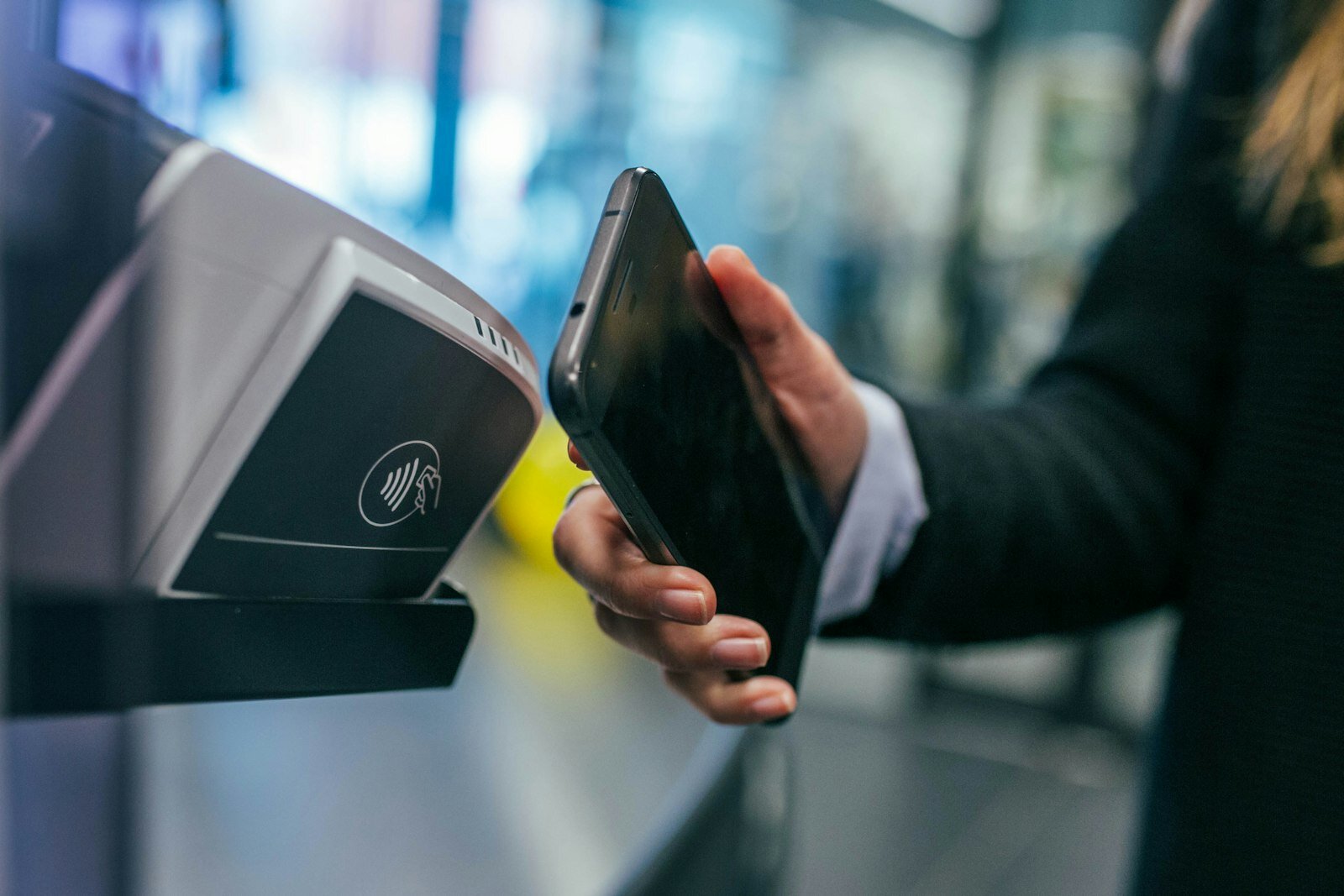
Loo oma tasuta Tippidy jootraha leht, lisa see Apple Walleti ja Google Walleti ning lase külalistel sind sekunditega tänada Apple Pay, Google Pay või mis tahes kaardiga — rakendust pole vaja, väljamaksed kohe.
Töötab Apple Walleti ja Google Walletiga · Kuutasusid pole