
Tip Data and Insights for Service Workers

 Maya Patel
Cash tips are invisible. They arrive in a pocket, get counted at the end of the shift, and leave no record. For the individual worker, this means no history, no pattern, no basis for comparison, and no documentation when a dispute arises. For the gig economy worker or self-employed service professional, it also means a blank space where evidence of income should be. The shift to digital tipping changes all of this, and the data trail it creates is one of the most underappreciated benefits for workers who engage with it thoughtfully.
What Your Tip History Actually Tells You
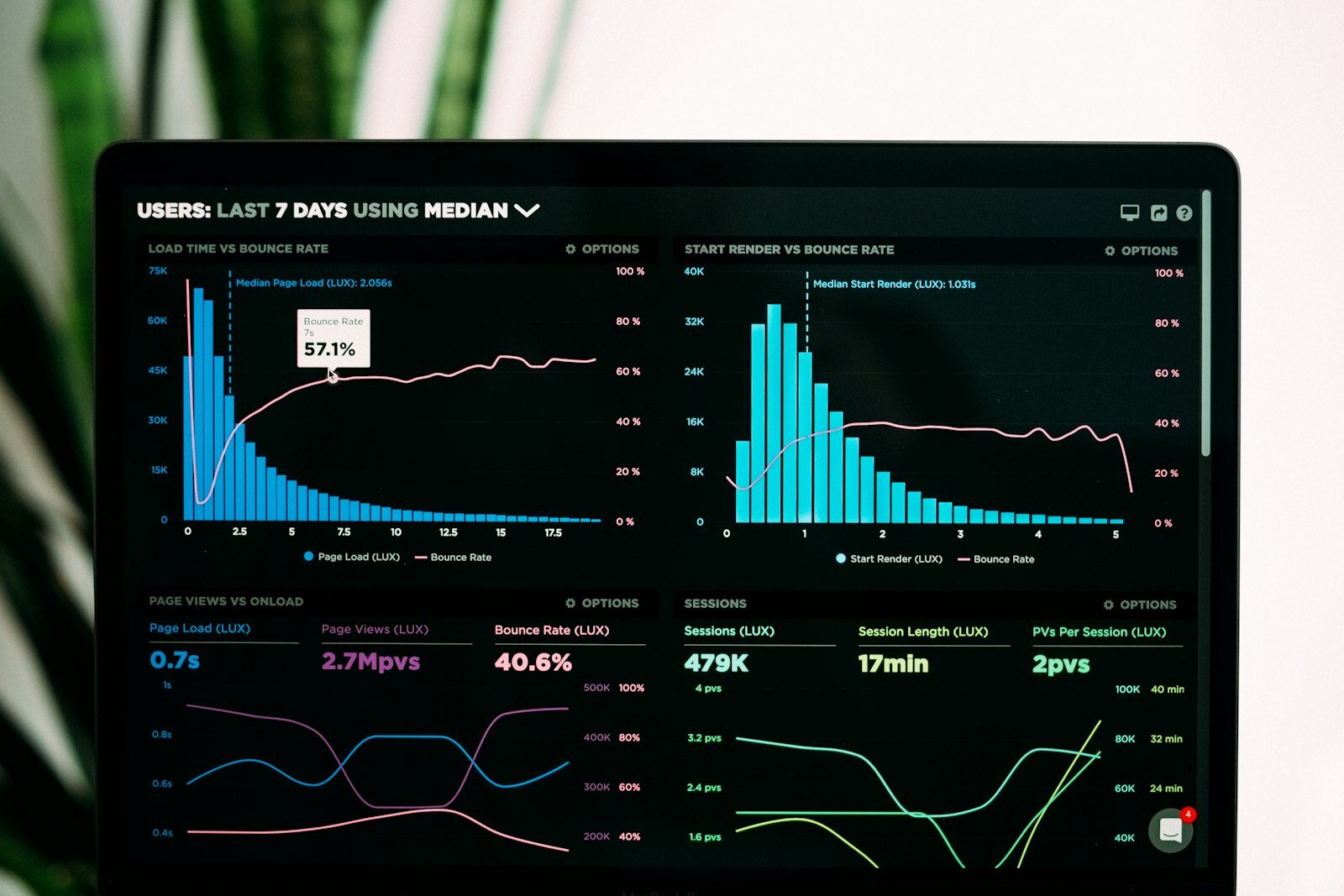
A digital tipping platform records every tip with a timestamp, an amount, and usually a session or context identifier. Over weeks and months, this creates a dataset that reveals patterns invisible to casual observation. Which days of the week generate your highest tips? Is there a time of day — the lunch rush versus the evening service — where your tip rate diverges? Do certain types of session or tour generate more tips than others?
For a tour guide, this might reveal that Saturday afternoon food tours consistently generate stronger tips than weekday morning historical walks — not because the quality differs, but because the audience composition, the group size, and the emotional tenor of the experience are different. For a massage therapist, it might reveal that sixty-minute deep tissue sessions generate proportionally better tips than thirty-minute express treatments, suggesting an upsell conversation worth having. For a bar worker, it might confirm that a particular section of the venue — better atmosphere, a particular type of regular — is worth requesting for future shifts.
Using Data to Track Your Own Performance
Beyon d patterns, tip data is one of the most direct feedback signals available to a service worker. Unlike formal review systems — which suffer from selection bias, because only a fraction of satisfied clients leave reviews while most dissatisfied ones stay silent — tipping data captures a continuous signal from every interaction where a tip was at least possible. A sustained increase in average tip amounts over a six-month period is evidence of professional growth. A sustained decline warrants honest self-examination.
This is particularly valuable for workers early in their careers, where the gap between competent execution and genuinely excellent service is large and the external feedback is sparse. A junior hairdresser who can see that their tip rate is growing as their technical confidence improves has a concrete indicator of progress that a manager's quarterly review rarely provides. The data is not a perfect proxy for quality — tips are influenced by many factors outside a worker's control — but it is a meaningful signal over time.
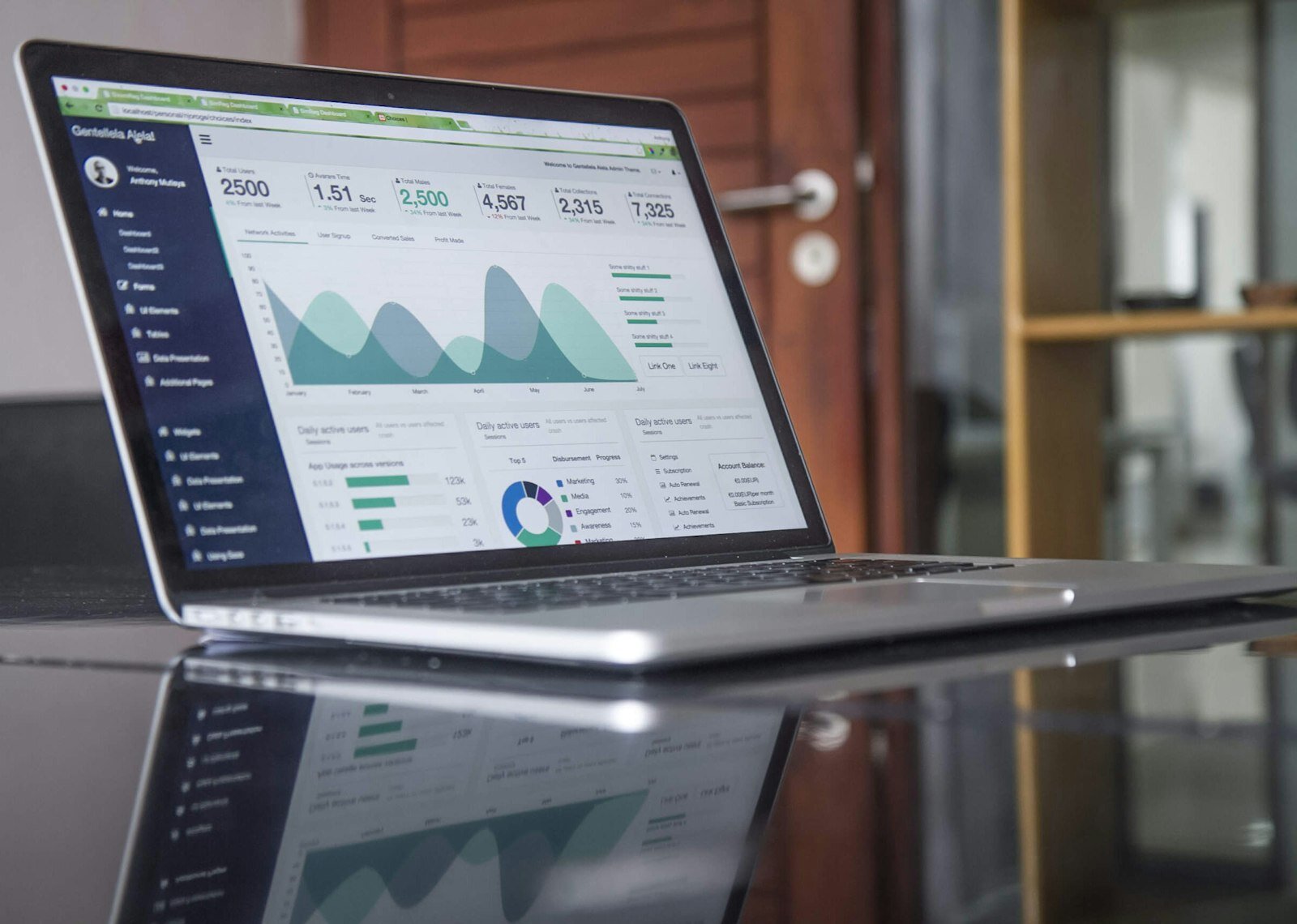
Tippidy's insights dashboard surfaces these patterns automatically, breaking down tips by day, total period, and trend, so workers do not need to maintain their own spreadsheets. The goal is to make the signal actionable without requiring data literacy that not everyone has.
Financial Planning and Tax Documentation
For self-employed workers and those in the gig economy, tip income is taxable and must be declared on a Self Assessment tax return. Cash tips have historically been under-declared — not always deliberately, but because the lack of a paper trail makes the precise figure genuinely difficult to recall eleven months after the fact. Digital tip records solve this problem completely: every tip is timestamped and attributed, and a year-end summary is straightforward to generate.
HMRC is explicit that gratuities received by workers are taxable income. For workers whose tip income is substantial — a successful tour guide in peak season, a popular bartender in a high-end venue — the difference between accurate and inaccurate declaration can be material. More practically, accurate records enable accurate planning: knowing your actual tip income across a year allows you to budget for the following year's tax bill rather than being surprised in January.
Beyond tax, documented income matters for financial applications. Mortgages, rental agreements, and some loan applications require evidence of income over a sustained period. A worker who can demonstrate consistent tip earnings through a digital platform's records is in a meaningfully stronger position than one who can only point to a bank account that occasionally receives unexplained deposits. Some lenders have begun accepting digital income statements from gig economy platforms as part of affordability assessments, and this trend is likely to grow.
Crew Data and Collective Advocacy
Workers who share a crew tip page — a bar team at a venue, the guides at a tour company — generate collective tip data that can be used for something beyond individual insight. If the crew's tips are notably lower during periods when the venue is understaffed, that is evidence worth raising with management. If tips peak around certain promotions or events and decline when those are absent, that is actionable information for scheduling decisions.
Tip data can also be a lever in discussions about wages and conditions. Workers in industries where tips represent a meaningful share of total compensation can use documented tip histories to make the case that their base wages are, in practice, being subsidised by customer gratuities rather than employer wages. Under the Employment (Allocation of Tips) Act 2023, employers must have a written tips policy and cannot use tip income to top up wages to minimum wage level — but advocacy for fair base wages is strengthened by clear data about the scale and consistency of tip income.
Privacy, Ownership, and Data Portability
Workers should understand who owns their tip data. On platforms where tips are routed through an employer's infrastructure, data ownership may be ambiguous. On worker-direct platforms — where each worker has their own account and their tips are routed directly to them — the data belongs to the worker and should be exportable in a standard format. Portability matters: if you change platforms, change venues, or want to share your tip history with an accountant or financial adviser, you should be able to take your data with you without friction.
The question of privacy is also worth considering. Tip data reveals information about working patterns, income levels, and client relationships that workers may not wish to share widely. Platforms that are clear about data handling, do not sell user data to third parties, and give workers meaningful control over their privacy settings are preferable to those that treat worker data as a secondary revenue stream.
The data trail of digital tipping is, ultimately, a form of economic documentation that cash never provided. Workers who engage with it — who check their patterns, use their records for tax and financial purposes, and advocate with data rather than anecdote — are better positioned in every dimension that matters. The tip is the starting point; what you do with the record of it is the lasting value.
See artikkel on osa meie täielik juhend digitaalseks jooteahevraha andmiseks — õpi, kuidas saada jootraha kaardi, Apple Pay või Google Pay'ga.
Kommentaarid (0)
Logi sisse kommentaari jätmiseks.
Seotud postitused



Hakka täna digitaalset jootraha saama
Loo oma tasuta Tippidy jootraha leht, lisa see Apple Walleti ja Google Walleti ning lase külalistel sind sekunditega tänada Apple Pay, Google Pay või mis tahes kaardiga — rakendust pole vaja, väljamaksed kohe.
Töötab Apple Walleti ja Google Walletiga · Kuutasusid pole