
Multi-Currency Tipping for International Tourism

 Maya Patel
Tourism creates a fascinating and underappreciated currency problem at the intersection of gratitude and payments. A family visiting from the United States wants to tip their hotel housekeeper in Portugal. They have dollars in their bank account, a US card in their wallet, and no euros in their pocket. The housekeeper has a bank account in Portugal that receives euros. Between the family's goodwill and the housekeeper's bank account, there are currency conversions, payment network fees, and exchange rate mechanisms that the tourist has never thought about and the worker has no control over. Understanding how this works — and how modern digital tipping platforms handle it — is genuinely useful for both sides of the transaction.
How Currency Conversion Works in a Tip Payment

When a customer makes a payment using a card issued in one currency to a merchant or platform operating in another, currency conversion is handled at one of several points in the transaction chain. The card network (Visa or Mastercard) applies a base conversion rate at the moment of settlement. The issuing bank — the customer's bank — may apply an additional foreign transaction fee on top of the network rate. The acquiring bank — the bank that processes the merchant's payments — may apply its own rate if it is operating in a different currency from the network settlement currency.
In practice, for a tip made through a well-designed digital platform, the customer sees a converted amount in their home currency at the moment of payment and the recipient receives the agreed amount in their local currency. The difference between what the customer paid and what the recipient received represents the accumulated cost of the conversion — typically a few percentage points, depending on the banks and network involved. This is simply the cost of international digital payments, the same as it would be for any card transaction abroad.
The Tourist's Experience: Paying in Any Currency

From the customer's perspective, the ideal multi-currency tipping experience is one where they can pay in their home currency using their existing card or digital wallet, with a clear indication of what they are paying before they authorise the transaction. Modern tipping platforms, including Tippidy, support payments in multiple currencies: a tourist can arrive at a tip page and pay in their own currency, with the platform's payment infrastructure handling the conversion transparently. The tourist does not need to carry the local currency, does not need to visit an ATM, and does not need to do mental arithmetic to convert a tip amount into something meaningful.
This matters more than it might appear. One of the most common reasons tourists fail to tip, even when they genuinely want to, is the currency barrier. Without local cash, they have no natural mechanism. If the only tipping option requires them to estimate an appropriate amount in an unfamiliar currency and deal with the psychological friction of paying in a denomination that feels abstract, many will not follow through. A tip page that accepts payment in the customer's own currency — and shows them clearly what they're paying — removes that barrier entirely.
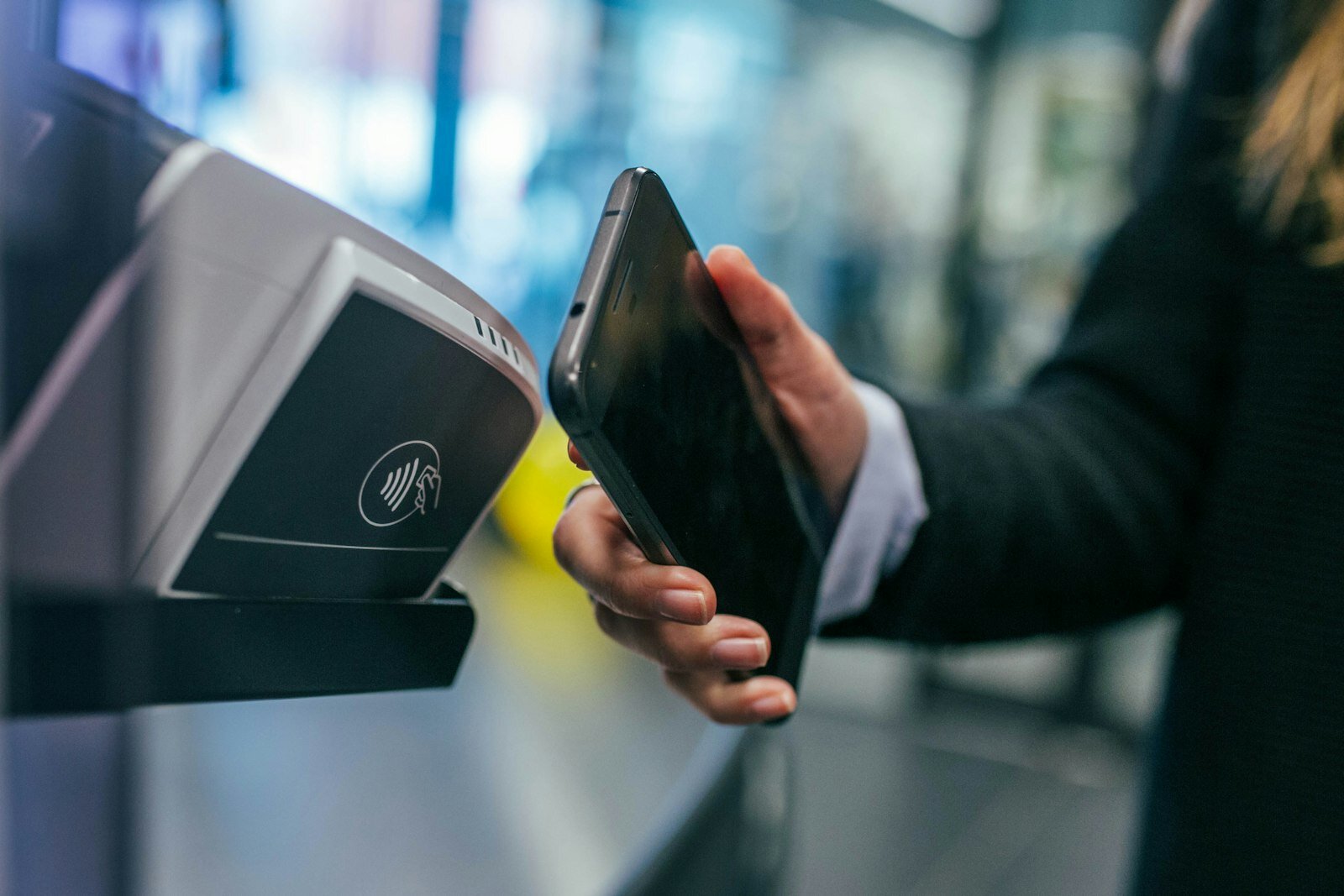
Apple Pay and Google Pay integration has further simplified this for international customers, because the payment is handled by the customer's home wallet using the card already registered there. The customer does not need to enter card details for a foreign payment; they authenticate with a fingerprint or face scan and the transaction is handled by the familiar infrastructure they use at home. For customers who are cautious about using their cards abroad due to fraud concerns, wallet-based payment provides both convenience and the same security guarantees they expect from domestic transactions.
The Worker's Experience: Receiving in Local Currency
For the worker receiving tips from international customers, the key requirements are that the money arrives in their bank account in their local currency, at a predictable rate, and within a reasonable timeframe. The mechanics of how conversion happens upstream — which network handled it, what rate was applied — are typically invisible to the worker. What matters is what arrives.
Well-designed tipping platforms settle to workers in their declared bank currency by default, handling any necessary conversion within the platform's payment processor infrastructure. This means a tour guide in Seville with a Spanish euro account receives euros regardless of whether their tips came from American, British, Japanese, or Australian tourists. The platform absorbs the currency routing complexity and presents the worker with a clean, locally denominated income stream.
The exchange rate applied is worth understanding in broad terms. Platform rates are derived from wholesale interbank rates plus the platform's processing margin. They are typically competitive with what a tourist would obtain at an airport currency exchange, though not as favourable as what large commercial banks obtain in wholesale markets. For tip amounts — which are rarely very large — the difference in absolute terms is small. A worker receiving international tips should understand that conversion does have a cost, but for the volumes typical of service industry tipping, it is not a material concern.
Destination Currencies: Practical Country Considerations
Not every country's currency is equally easy to work with in digital payment contexts. Major international tourist destinations in Western Europe, North America, and Australia operate in widely supported currencies with deep liquidity and straightforward payment infrastructure. A tip page set up by a worker in these markets will generally handle multi-currency inputs without any specific configuration.
Workers in less commonly traded currency zones may encounter limitations — some payment processors support a narrower range of settlement currencies, and conversion to certain currencies may involve an additional step through a more liquid currency pair. For workers in these markets, the practical advice is to verify, before promoting a digital tip page to international customers, that the platform actually supports receiving funds in your local currency. Tippidy supports a range of currencies designed specifically to cover the international tourism use case, and workers can check their country and currency combination at setup.
For tourists visiting multiple countries on a single trip, a digital tip page offers a consistency advantage over cash: the same mechanism — scan a code, tap to pay — works in every destination, regardless of local currency. The tourist does not need to source and carry separate cash in each country, does not need to manage multiple denominations, and does not face the end-of-trip problem of being left with foreign currency that is expensive to reconvert. The tip leaves the tourist's account in their home currency. It arrives in the worker's account in their local currency. The payments infrastructure handles everything in between.
Tipping Etiquette Across Borders
One aspect of international tipping that no amount of payment infrastructure solves is the etiquette question: how much should a tourist tip, and in what contexts is tipping expected? The answer varies significantly by country and by service type. In the United States, tipping is deeply embedded in service culture and expected in a wide range of contexts. In Japan, tipping is traditionally not practised and can in some contexts be seen as rude. In most of Western Europe, tipping is common in restaurants but the amounts expected are lower than American norms, and the obligation is less strongly felt.
Tourists who are uncertain can approach this pragmatically: follow the lead of other customers if visible, accept the default tip prompt amount on a card terminal if one is presented (these are usually calibrated to local norms), and when in doubt, ask a trusted local. The existence of digital tip pages for individual workers does not change the etiquette — it simply provides the mechanism for acting on the decision once made. A tourist who decides to tip a particularly helpful museum guide in a country with modest tipping norms can do so via a QR code without needing to carry cash in the local denomination, and the guide receives the equivalent value in their account regardless of the source currency.
Multi-currency digital tipping is one of those infrastructure problems that, once solved elegantly, becomes invisible to the people it serves. The tourist taps their phone. The worker receives the money. The currency conversion, the payment network routing, the exchange rate application — all of it happens without either party needing to think about it. That invisibility is a design achievement, not an accident. For an industry built on human connection and genuine appreciation, making the payment mechanism as frictionless and natural as possible is exactly the right goal.
This article is part of our complete guide to digital tipping — learn how to get tipped by card, Apple Pay or Google Pay.
Comments (0)
Log in to leave a comment.
Related Posts


Start receiving digital tips today
Create your free Tippidy tip page, add it to Apple Wallet and Google Wallet, and let guests tip you in seconds with Apple Pay, Google Pay or any card — no app, instant payouts.
Works with Apple Wallet & Google Wallet · No monthly fees