
Baristas and Coffee-Shop Tipping
 Maya Patel
The tip jar on the counter at an independent coffee shop is one of the most familiar objects in British urban life. Glass or ceramic, often hand-labelled with something self-deprecating ("For our therapy fund" or simply "Tips — thank you"), it represents a social contract that is genuinely unclear to many customers. Am I expected to tip here? How much? When I pay by card, is there a way to do it? The jar suggests yes, but the card reader offers no obvious path.
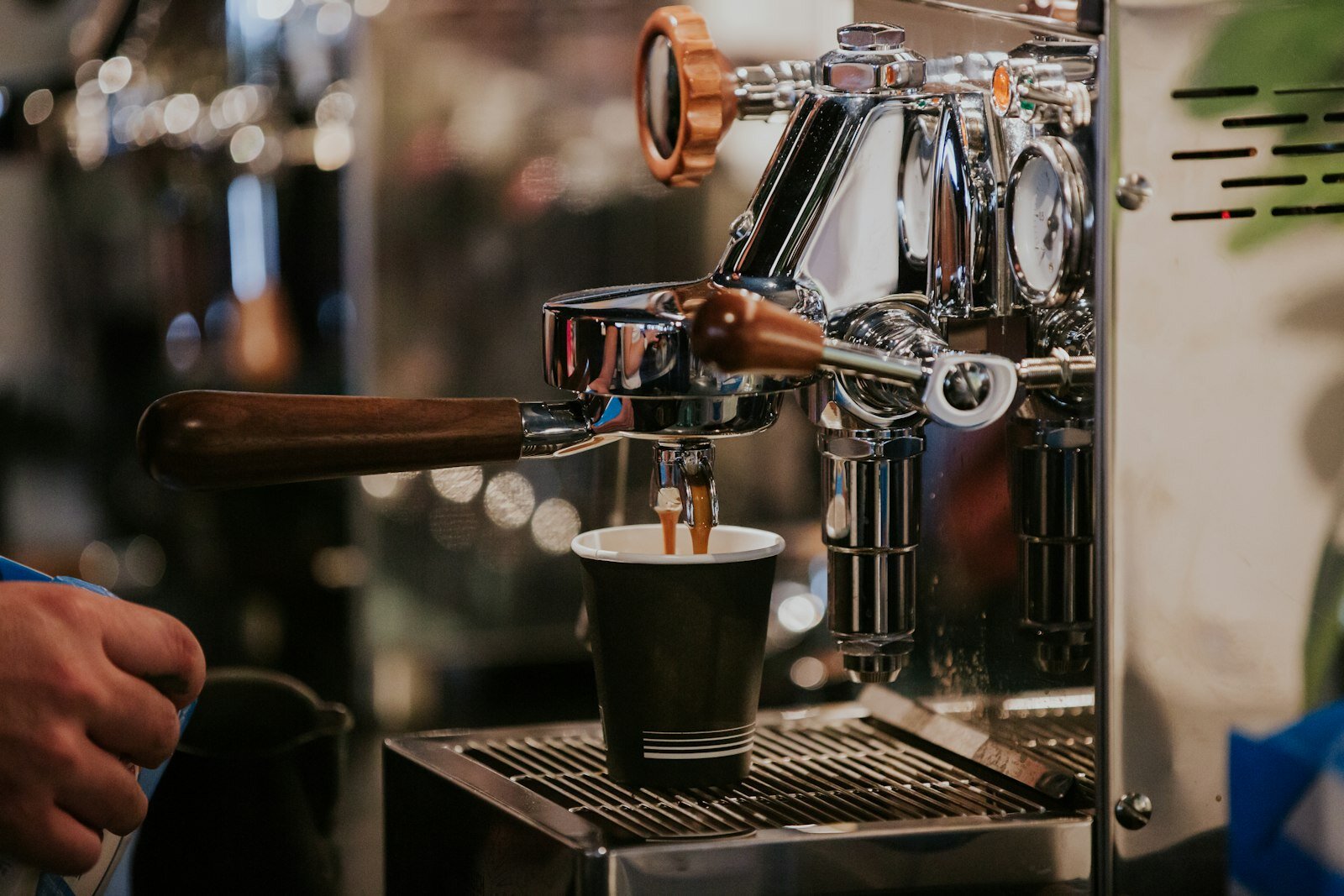
This ambiguity has real consequences for the people behind the counter. Baristas in independent coffee shops are frequently skilled workers — trained in extraction variables, dialling in grinders, identifying stale beans, and executing milk textures that require genuine practice to get right. In a specialty coffee context, the gap between a technically proficient barista and a mediocre one is visible in the cup. But the tipping infrastructure does not reflect this: card transactions have no built-in gratuity prompt, and the digital equivalent of the glass jar has been slow to materialise.
Why Coffee Shops Are Different from Restaurants
Restaurant tipping in the UK, while not obligatory, has a relatively established social script. The meal ends, a bill arrives, a percentage (typically ten to fifteen per cent) is added or suggested, and the payment is processed. Coffee shops do not have this script. Transactions are quicker, the interaction is briefer, the price point is lower, and customers often queue at a counter rather than sit with a server who attends to them throughout a meal. The social conditions that produce tipping behaviour in restaurants are largely absent.
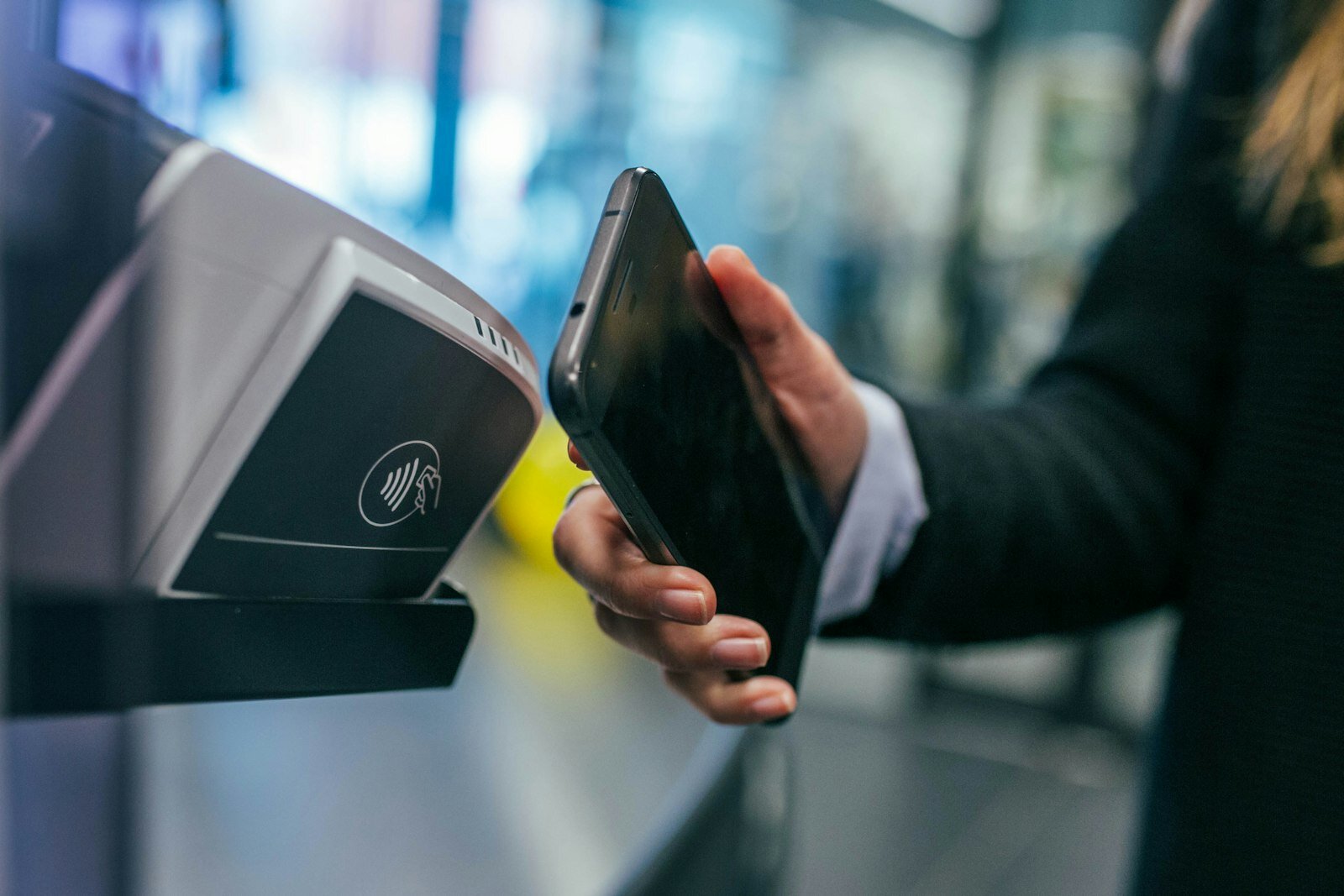
This does not mean coffee shop workers deserve tips any less. It means the mechanism that prompts tipping needs to work differently. The glass jar works for cash customers — it is visible, requires no action beyond dropping coins, and carries no social pressure. The digital equivalent needs to be similarly low-friction and non-coercive. A QR code on the counter, at the collection point, or even on the paper cup itself gives card-paying customers a route that doesn't require them to navigate an awkward prompt at the till while the queue stretches behind them.
The Specialty Coffee Context: Skill and Appreciation
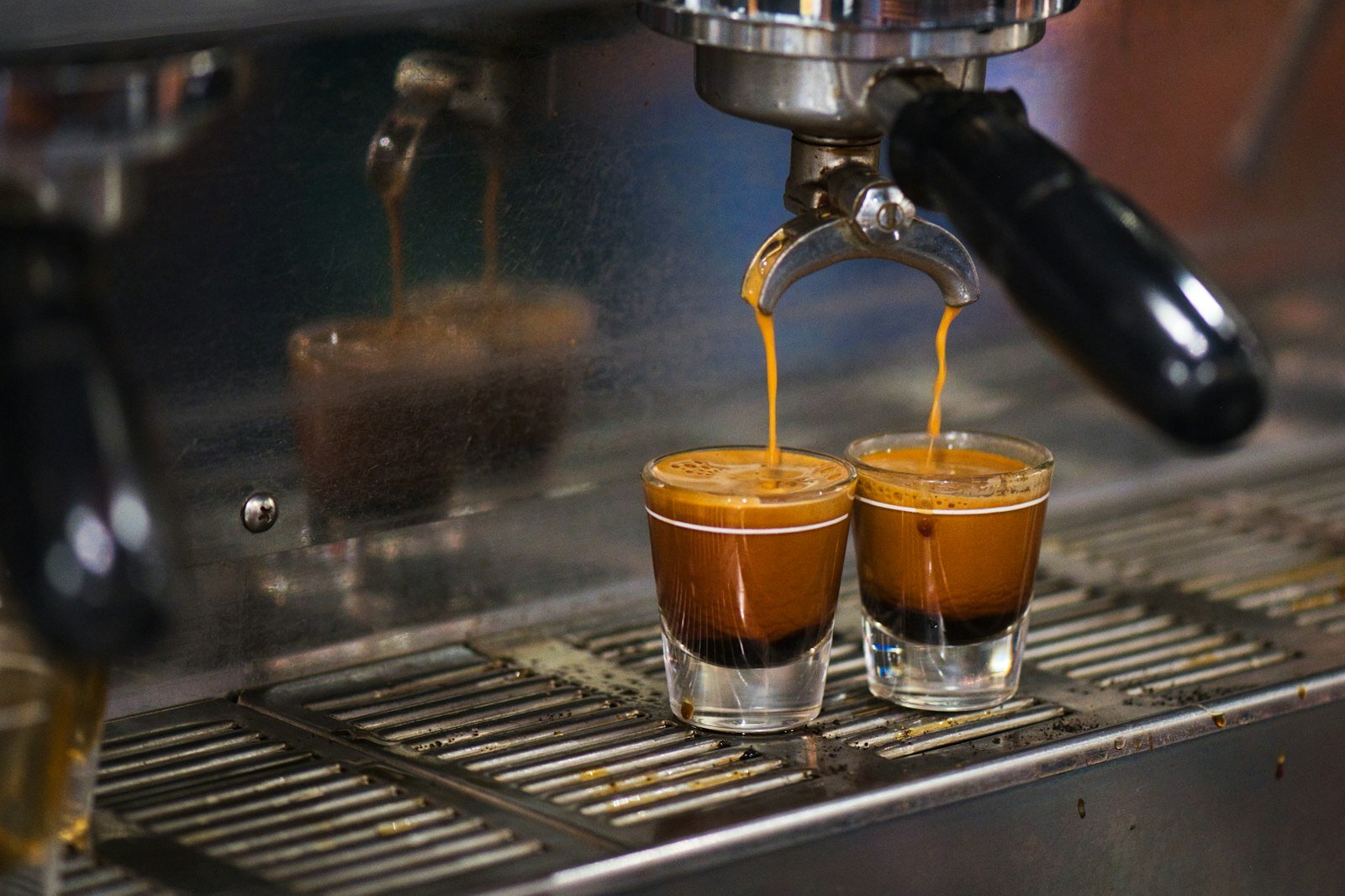
S pecialty coffee has raised the cultural status of the barista considerably over the past decade. National and international barista competitions, the vocabulary of origin and process, the theatre of a pour-over or a carefully dialled espresso — these have created an audience that understands and values the craft. Among that audience, there is often a genuine desire to express appreciation for exceptional work.
A barista who has spent weeks dialling in a new single-origin natural, who can speak fluently about the fermentation process that produced the fruit notes in the cup, and who consistently produces technically correct espresso at pace during a morning rush is doing something worth recognising. But the recognition requires infrastructure. A QR code linked to that barista's personal tip page — pinned near the espresso machine or printed on a small card — gives regulars and coffee enthusiasts a way to express appreciation that the standard card payment does not permit.
Platforms like Tippidy allow individual baristas to set up personal tip pages with a name and a short bio, so a tip becomes a specific acknowledgement rather than a contribution to a generic pot. For baristas who work the same shift pattern at the same café, this level of personalisation builds a stronger connection with regulars who appreciate consistent service.
Tip Jars Reimagined: The Team Approach
Many coffee shops operate with small teams where the work is genuinely collective — one person on the grinder, one on the espresso machine, one on the till and milk, sometimes a fourth on bar prep and cleaning. Individual tipping in this environment can feel inaccurate to the actual experience; the customer did not receive service from one person but from a coordinated team. A shared team tip page, functioning like a digital jar that splits automatically among the crew, preserves the collective spirit of the original object.
Operators who run multiple locations can structure this further: each site has its own crew page, tips go into the site pool, and distribution happens at the end of each week according to hours worked. Workers who move between sites can belong to multiple crews. The administrative overhead that previously required a manager to count the physical jar, note who was working, calculate shares, and add it to pay is replaced by a system that does this automatically and leaves a full audit trail.
Tax and the Coffee Shop Barista
For employed baristas, tips are taxable income. If they are directed by the employer — through a tronc system, a team pool controlled by the business, or service charge — they should generally pass through PAYE. If tips are given directly to the individual by the customer, with no employer direction over allocation, they may fall under Self Assessment instead. HMRC's guidance on this distinction has been clarified in conjunction with the Employment (Allocation of Tips) Act 2023, which came fully into force in October 2024.
The practical implication for a barista using their own tip page, where customers tip them directly without the employer's involvement in the allocation, is that they should record these earnings and include them in a Self Assessment return if they exceed the threshold for reporting. This is not a reason to avoid using a tip page — it is simply a reason to keep records and understand the tax position. The amounts involved in coffee shop tipping rarely reach alarming levels, but HMRC's expectation is that all income, however received, is accounted for.
What Independent Operators Can Do This Week
For an independent coffee shop owner reading this, the practical steps are straightforward. Set up a crew tip page for your team and print a QR code to put somewhere visible — the counter near the collection point is ideal, since that is where customers wait and have a moment of idle attention. Add a small card to each takeaway cup if your volumes justify it. Include a tipping link in your loyalty app or in your Instagram bio if you have regulars who follow you there.
Brief your team clearly on how the system works and when they can expect to receive their share. Transparency about the mechanics matters — staff who understand the system trust it. Staff who receive opaque periodic payments and are told "that's your tips" have no way to verify fairness and may assume the worst.
The glass jar is not going anywhere, and nor should it. But the cashless customer who currently has no way to leave a gratuity represents a genuine gap in the existing system. Closing that gap costs very little and returns something real to the people who wake up early, steam milk for eight hours, and make the working week slightly more bearable for everyone who walks through the door.
This article is part of our complete guide to digital tipping — learn how to get tipped by card, Apple Pay or Google Pay.
Comments (0)
Log in to leave a comment.
Related Posts


Start receiving digital tips today
Create your free Tippidy tip page, add it to Apple Wallet and Google Wallet, and let guests tip you in seconds with Apple Pay, Google Pay or any card — no app, instant payouts.
Works with Apple Wallet & Google Wallet · No monthly fees