
Tipping Etiquette in a Cashless World
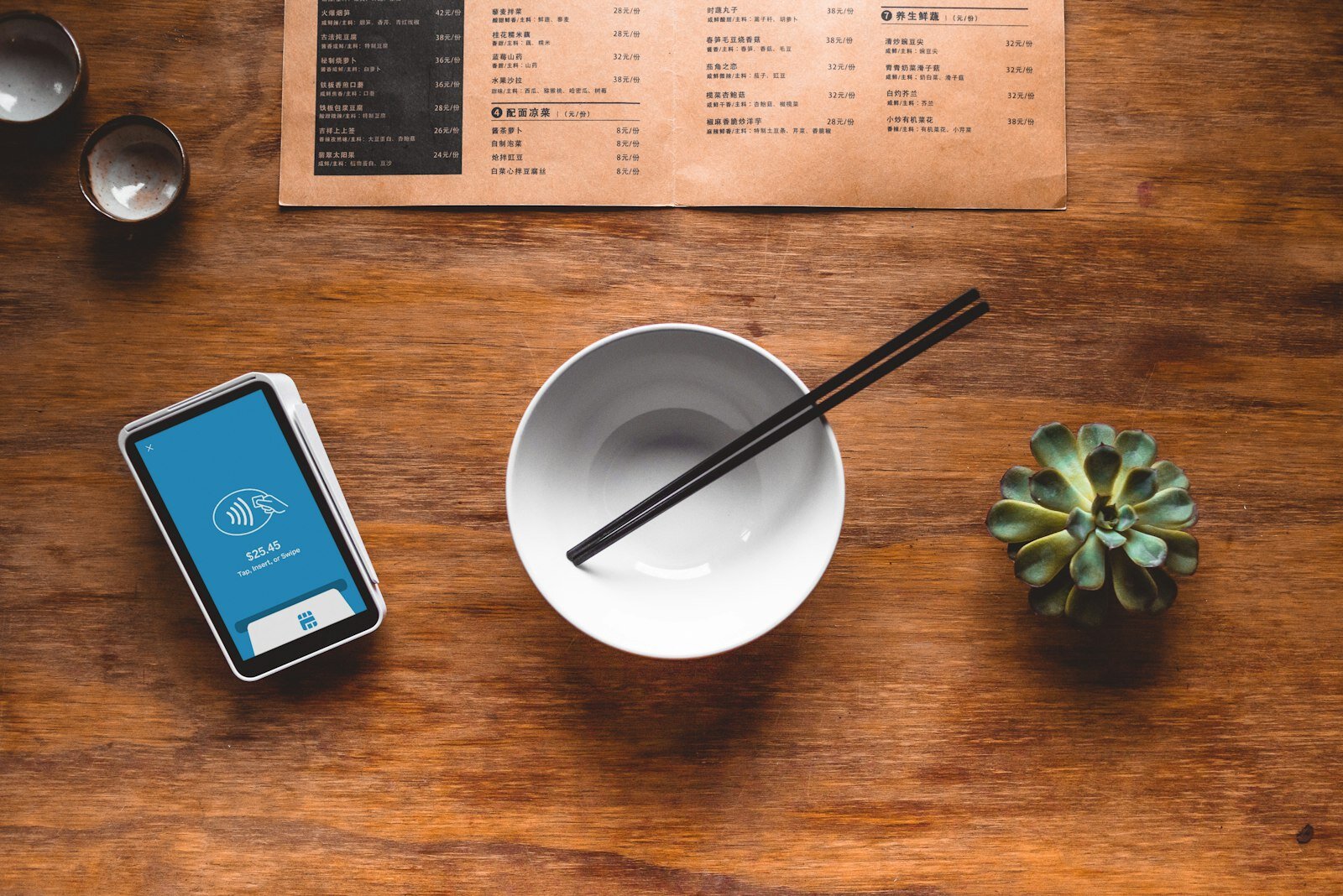
Few social rituals generate as much quiet anxiety as the tipping moment. The pause after a meal, the hovering finger over a tip prompt, the calculation of whether fifteen per cent is generous or merely adequate — it carries a weight that seems disproportionate to the amount of money usually involved. In a cash economy, the choreography was uncomfortable but at least familiar. The card terminal changed the choreography. The contactless limit changed it again. The QR code changed it once more. We are now navigating tipping norms that are shifting in real time, with no consensus on what the new rules are or even who is supposed to be setting them.
Why Tipping Feels More Complicated Now
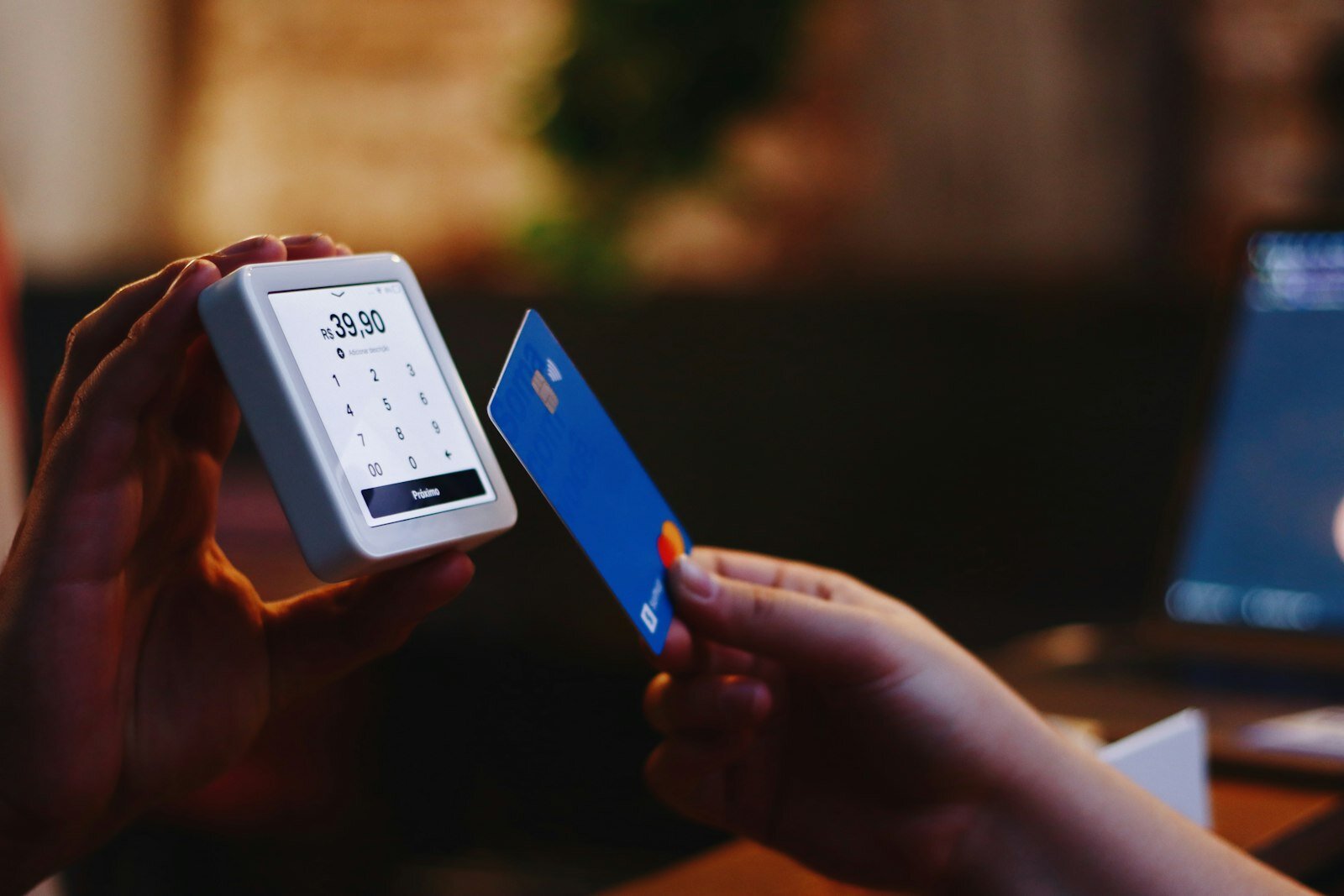
The fundamental change introduced by digital tipping prompts is the shift from a purely voluntary act to one that requires an active refusal. With cash, not tipping meant simply not leaving money behind — an omission, invisible to the worker. With a card terminal that presents a tip screen before the transaction completes, not tipping requires pressing "No tip" or "£0" or "Skip" — an active choice, made in front of the person who served you. Research in behavioural economics consistently shows that people weight active choices differently from passive omissions; the psychological cost of explicitly declining to tip is higher than simply not reaching for your wallet.
This has complicated the social contract in ways that neither workers nor customers have fully adjusted to. Some customers feel pressured by tip prompts in contexts where tipping has no established tradition — counter service at a coffee chain, a transaction with a self-service kiosk, a purchase at a retail till. The discomfort is real, and dismissing it as mere stinginess misses the point. Tipping norms exist for a reason: they signal shared expectations between customers and workers about what service is worth, and when those norms become unclear or are applied to contexts where they don't belong, the whole system loses its signal value.
Where Tipping Is Expected and Where It Isn't
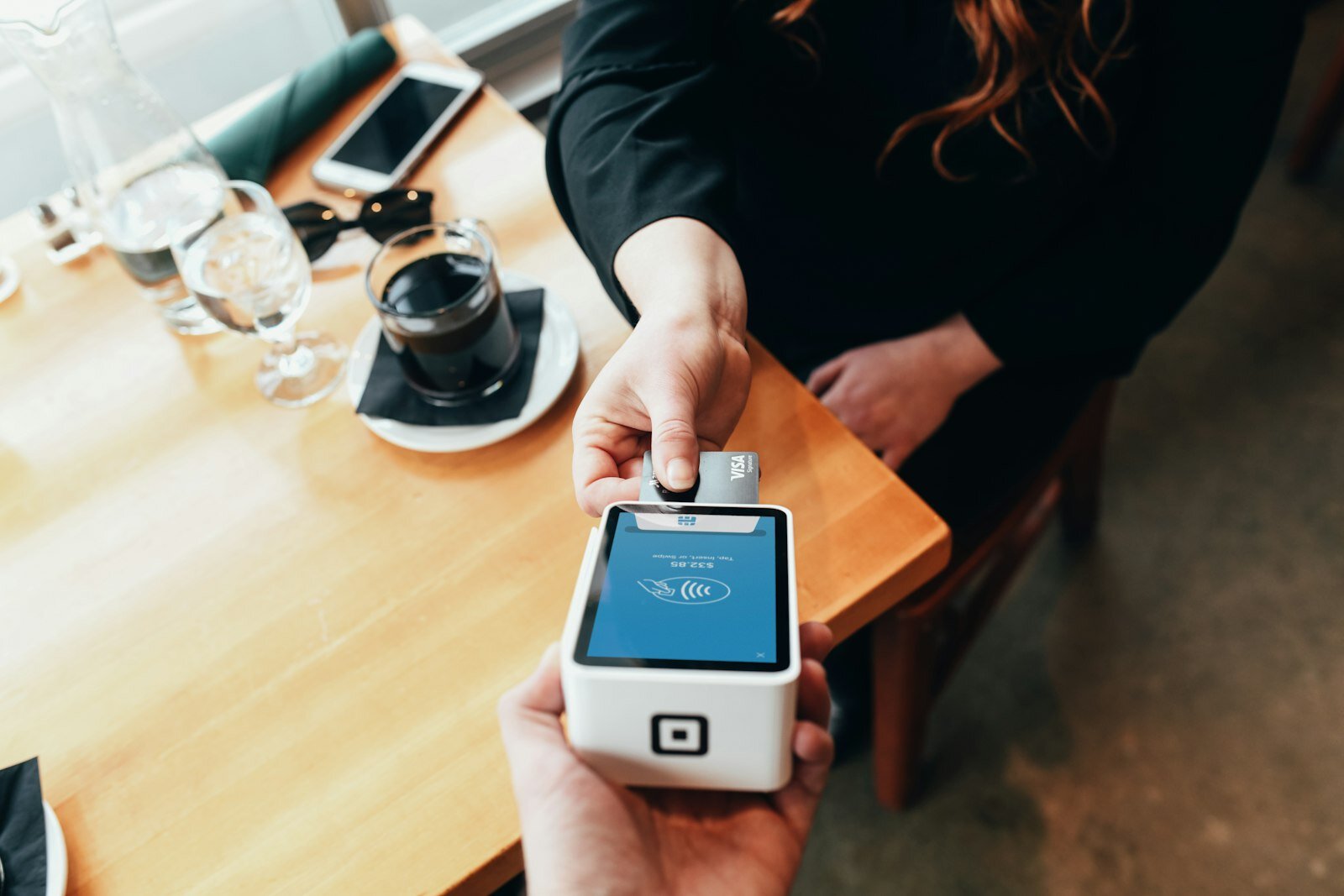
In t he UK, the service contexts where tipping is most firmly established are sit-down restaurants, taxis and private hire, and hair and beauty salons. Hotel porters, room service, and spa therapists occupy a middle tier — tipping is appreciated and recognised as customary, but not quite as obligatory as in a restaurant context. Delivery workers occupy an interesting position: many delivery apps now include a tipping mechanism, and the shift from a cash-on-delivery model (which allowed easy cash tips) to card-only has made digital tipping in this context more practical and more expected.
Counter service has traditionally sat outside the tipping norm in the UK — the relationship between a barista and a customer placing an order at a till is understood to be a retail transaction rather than a service encounter of the kind that attracts gratuity. The growth of QR tip jars in coffee shops, driven partly by the genuine difficulty that baristas face in receiving cash tips that customers no longer carry, has started to shift this norm slowly. Whether it fully shifts depends partly on whether enough customers engage with the mechanism — social norms around tipping are reinforced by visible evidence that other people tip, which is one reason why a jar with some coins in it performs differently from an empty one.
Trades and services provided in the home — plumbers, electricians, decorators, cleaners — occupy genuinely ambiguous territory. There is no strong norm either for or against tipping in these contexts, and the amounts and circumstances vary so widely that it would be difficult to establish one. Workers in these categories who accept digital tips through a personal page are essentially inviting customers to express appreciation if they feel moved to do so, without implying any expectation. This is arguably the ideal framing for tipping in contexts where no clear norm exists.
How Much to Tip in Different Situations
The benchmark for restaurant tipping in the UK has historically been around ten per cent, with twelve to fifteen per cent representing genuine appreciation for excellent service. This is somewhat lower than American norms, where fifteen to twenty per cent has become the baseline, and the UK anchoring has generally held even as digital tip prompts have sometimes presented higher default percentages. When a card terminal shows buttons for fifteen, twenty, and twenty-five per cent, along with a "custom amount" option, it is presenting an anchoring effect that nudges customers towards higher amounts than they might otherwise have chosen. This is not inherently wrong — workers benefit, and if customers feel the service justified a higher percentage, the prompt simply makes it easier to act on that feeling. But it is worth understanding what is happening so that customers can make an active choice rather than defaulting to the middle button out of social pressure.
For taxis and private hire, the convention in the UK is to round up to the nearest pound or add a pound or two on top of the metered fare for a standard journey. For a longer journey or one with extra service — help with luggage, a detour, particularly helpful route advice — more is appropriate. Digital payment through ride-hailing apps has made tipping in this context both easier and more consistent: the app prompt appears after the journey, when the social pressure of the driver's presence is absent, which may paradoxically make customers more reflective in their tipping decision.
Navigating Awkward Tip Prompts
The practical reality of cashless tipping is that you will encounter tip prompts in contexts where you are uncertain whether tipping is expected or appropriate. A sensible heuristic: if a human being provided you with a service that required skill, effort, or personal attention — and particularly if their income is likely to depend partly on tips — the prompt is legitimate and declining is a genuine choice rather than a social obligation. If you are completing a transaction with a machine, or paying for a product at a retail counter, the prompt is more likely to be a feature of the payment software than an indication of a tipping expectation you have failed to meet.
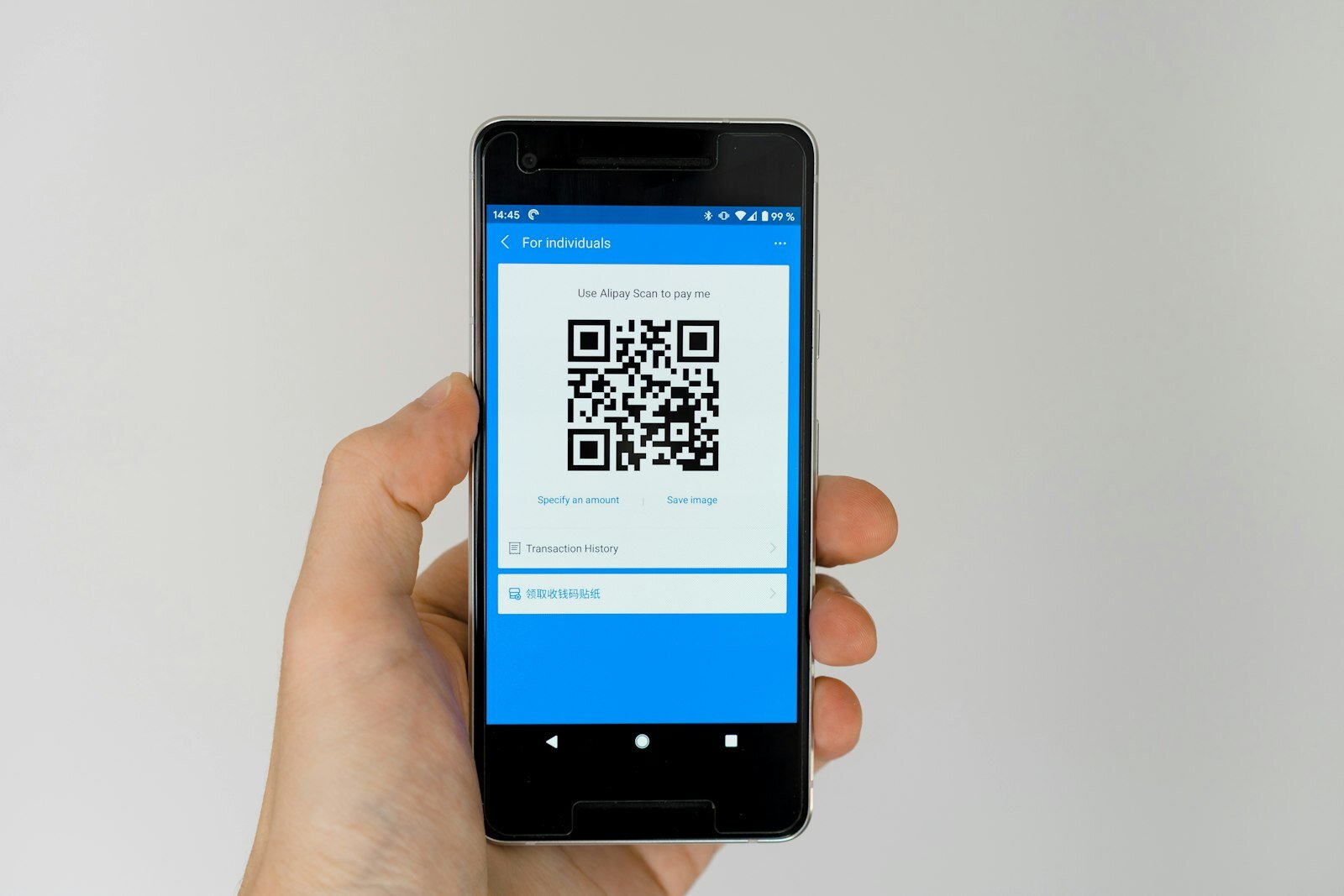
When you do want to tip but the moment has already passed — the transaction is complete, you are walking away — a personal QR code or link resolves the problem. Increasingly, workers in tipped professions include a short link or QR code on business cards, receipts, or follow-up messages precisely to accommodate customers who want to tip after the fact. Following through on this kind of post-service tipping is genuinely appreciated, partly because it is entirely voluntary and entirely deliberate in a way that a prompted tip is not.
A Note on Service Charges
One specifically British complication is the discretionary service charge — the twelve or twelve and a half per cent added to restaurant bills, typically printed in small type at the bottom of the menu. This is technically optional: customers can ask for it to be removed without explanation. Whether it is appropriate to remove it depends largely on whether the service was genuinely poor and, more significantly, whether the service charge actually reaches the workers who served you. Under the Employment (Allocation of Tips) Act 2023, discretionary service charges processed by the employer must be distributed to workers without deduction, which closes the most egregious historical abuses. If a service charge is on the bill and the service was acceptable, leaving it in place is the simplest way to ensure the team is compensated fairly. Adding a further tip on top is generous but by no means expected.
The short version of tipping etiquette in a cashless world is this: tip in the contexts where tipping is established, at amounts that reflect your genuine assessment of the service, using whatever mechanism is available. When a prompt appears, make an active choice rather than defaulting. When no prompt appears but you want to tip, ask whether there is a way to do so — most workers will be delighted to share a link. And extend some patience to both yourself and others as the norms continue to settle. The transition from a cash to a cashless world is not yet complete, and the etiquette is catching up in real time.
This article is part of our complete guide to digital tipping — learn how to get tipped by card, Apple Pay or Google Pay.
Comments (0)
Log in to leave a comment.
Related Posts

Start receiving digital tips today
Create your free Tippidy tip page, add it to Apple Wallet and Google Wallet, and let guests tip you in seconds with Apple Pay, Google Pay or any card — no app, instant payouts.
Works with Apple Wallet & Google Wallet · No monthly fees